Exhibition
40+2
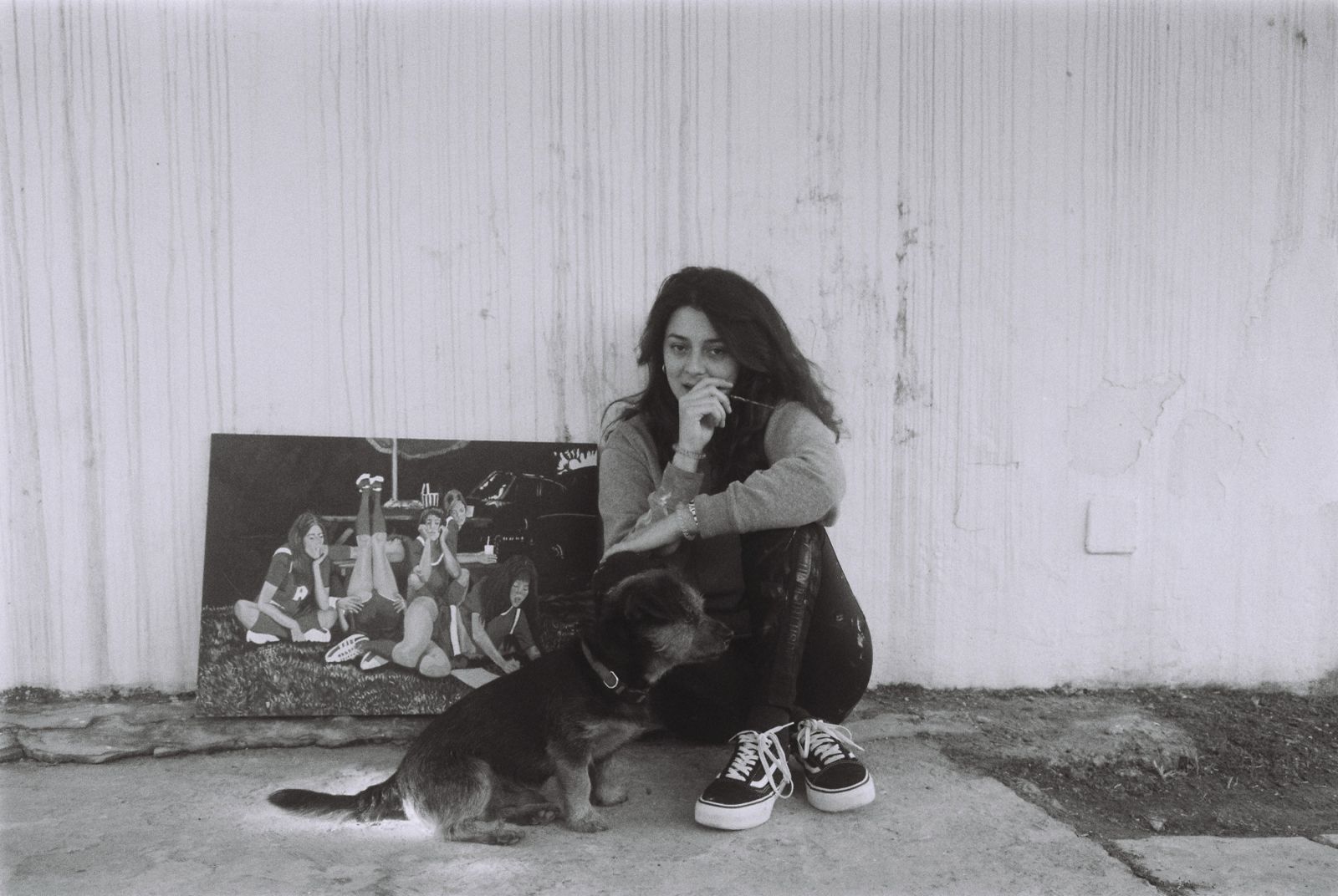
Solo exhibition by ZITCH (Zeineb Lakhoua), featuring forty-two small- and medium-sized paintings on canvas, created between 2023 and 2025.
Curated by: Para/Site Program
Text by: Nadia Jelassi
The text
Description
A SHORT JOURNEY THROUGH ZITCH’S PAINTINGS
Some say that an artist can be both a bridge and a ravine. If a bridge, as a human-made structure, is designed and built to allow the crossing of an obstacle, the ravine here represents its most fitting natural counterpart. Within this metaphorical perspective, in which the artist is both the obstacle and the solution, artistic creation becomes a way of emerging from one’s own void, of freeing oneself from one’s own contradictions, and of devising technical and aesthetic resolutions that both accommodate and overcome the countless constraints scattered along the way. For her first bridge-crossing — the one that will allow her to span a ravine and reveal herself before an audience — Zeineb Lakhoua (ZITCH) presents a series of small- and medium-sized paintings on canvas, created between 2023 and 2025. Looking at most of the paintings on display, it quickly becomes clear that the artist has opted for a certain taste for the forbidden, adopting a rather daring approach. Two materials, differing in origin and consistency, define the bulk of these works: acrylic paint and image. The body is omnipresent and appears as the sole and central protagonist of the scenes and fragments depicted. It emerges as a narrative sign par excellence, the vehicle of an unexpected story. In groups or pairs, whole or fragmented, frontal or in profile, gendered, characterised, naked or lightly clothed, and assuming a variety of postures, the body unfolds most often within interior spaces. It is presented in the light of the settings in which it appears, as a witness to a genuine cultural melting pot and as an actor in an announced process of disintegration. ZITCH has chosen a relatively contrasting palette, combining areas of tinted greys with bold, unapologetic colours. Pigments are applied in successive layers, either in flat areas of colour or in small touches adapted to the shape or surface being painted.BUT WHERE DO THESE BODIES COME FROM?
The history recounting the relationships, intersections, alliances and disconnections between photography, cinema and painting is far from coming to an end; it deserves to be constantly rewritten and brought up to date. ZITCH’s body of work is, in a sense, rooted in an approach based on coordinating and subordinating conjunctions, bringing together video-derived imagery of a pornographic nature and the pictorial framework. Freezing the moving image and partially transferring these images onto the canvas not only introduces the possibility of the pictorial being contaminated by the pornographic, but also brings into play the immobilisation of space and time inherent to the original moving image. This raises the question of choice: the choice of video footage and the decision to freeze a particular frame. This question is all the more crucial since it partly determines the compositional process and the expression that ultimately emerges from it.APPROPRIATION AND RECYCLING
Pornographic video, a product of mass consumption, now accounts for 35% of downloaded content on the Internet, increasingly regarded as the fast food of sex. Teenagers, both boys and girls, turn to it for their first models of sexuality and emotional relationships. Unlike erotic imagery, which relies more on subtlety and revelation, thereby leaving considerable room for the imagination, pornographic imagery is highly codified and tends to show everything. Its sole rule is absolute exposure, reducing desire to a series of mechanically rehearsed gestures and postures. The artist seems to have favoured scenes that are barely contextualised, suggesting instead indifference and boredom, loneliness, sadness, submission and domination… in short, the impossibility of a genuine union between characters supposedly sharing desire and pleasure. The choice of framing, the reduction of detail, the restrained application of acrylic paint and the selection of colours all contribute to this atmosphere of desolation. Pictorial practices and narrative strategies work hand in hand to neutralise the libidinal power of naked bodies and dull the desire of the flesh. The viewer’s eye is immunised against the presumed hedonistic intoxication. Rather, the iconographic strategy adopted by the artist seems to pursue a social critique of the mechanisms of pornography and of the often troubled relationships between genders.AIN’T NOTHING BUT A SISTA PARTY, LOVE AND SISTERHOOD
Although it stems from the same processes employed by the artist, Ain’t Nothing but a Sista Party — “Nothing but a Party Among Sisters” — stands apart from the other paintings drawing on pornographic sources, at least on the surface. Partly bucolic, partly urban, the scene depicts five female figures dressed in shorts and red tops, adopting relaxed poses. Five “sisters”, united and supportive of one another, seemingly enjoying their closeness and shared understanding. In contrast to a feigned form of love built on artifice and deception, sisterly love here seems to function as a talisman, an additional form of protection against the negative energies of a hyper-commercialised world.WHAT COMES NEXT…
Through their formal unity, format, subject matter and treatment of the figures, ZITCH’s paintings can also be read as panels in a wordless comic strip. Despite the individuality and autonomy of each painting, their arrangement on the walls could generate new resonances and give rise to previously unimagined reflections. I look forward to seeing how these paintings will be exhibited, how they will engage in dialogue with one another and how they will resonate together. I am equally eager to discover the artist’s forthcoming works. Nadia JELASSIPARA/SITE PROGRAM
I DON’T HAVE AN ORIGINAL DEPRESSION
Three days spent staring at a ceiling, like a lioness trapped in a cage. It served no purpose, but it was almost expected: a woman having a breakdown — how utterly ordinary. So, ice cream and Erykah Badu… Except that every note brought me back to his silence. I don’t have an original depression. My girlfriends’ advice was nothing new: Go see a therapist. Try yoga. Easy to say when your life hasn’t been torn apart just because the other person had been giving signs. As though I had chosen to be blind. I hadn’t seen anything because I had been so thoroughly trained. Conditioned to swallow the illusion that has been sold to us for centuries: love is reserved for women who are docile, loving and, above all, never too much. I don’t have an original depression. In those first few days, I clung to trivial things, or rather, to one thing in particular: an old sports bag left in a corner. As long as it was there, he would inevitably come back. Until the day I opened it and found dirty socks and a stinking T-shirt. I hesitated before licking them. But honestly, who still licks a man’s socks? Love would never have made me do that. Then came the obsession. The fixation. I started biting my nails for the first time. The night before, I had watched a documentary about a woman who had scratched her attacker before dying, and whose DNA was still found beneath her fingernails years later. That was all I had left: to devour what remained of him, to chew over my rage. And then something clicked. Far from being liberating, it made me furious. Forty messages in two days — that barely makes twenty a day. But no, a police commissioner had to make me sign a document: a restraining order. Protection from what? I should have explained to them that I wasn't dangerous. Not yet. I started looking at myself in the mirror, and the truth hit me: this body I thought was mine didn't even belong to me. My breasts? Not big enough for porn, but perfect for him. My feet? Nobody cares, except that he adored them. You don't lick someone's toes if you don't love them, do you? Pervert. I was right to dump him! Well, to make him leave… more or less. I don’t have an original depression. I had been a trophy, and worse still, I had accepted that status. As the days went by, the more I looked at myself, the more the same realisation kept coming back: I wasn't mourning him. I was mourning the image of myself I had constructed in order to keep him. At last, I saw myself. Not the woman he had loved, not the woman everyone expected me to be. Just me, whole, raw and moustached. So, when he came crawling out of the microwave or the wardrobe — yeah, because that asshole was everywhere — I realised that moving away wouldn't change a thing. He wasn't the one I needed to escape from. It was the idea that I needed him in order to exist. At one point, I wanted to send him one last message. Just one. The kind of message that could change everything. But I deleted it, again and again. Forty-two times I started typing it, and forty-two times I changed my mind. He didn't even deserve my anger. That anger belonged to me. It was the muffled cry of a woman reclaiming her voice. I'm no longer waiting for him. I wanted to believe that I would shine just to make him regret losing me, but the truth is, I no longer needed him to come looking for me. I was finally free. I was no longer the girl who needed saving, nor the one who had to be loved for something she wasn't. I was myself, raw and authentic. I'm no longer waiting for him. Maybe one day, consumed by remorse, he'll realise he lost a treasure. Maybe he'll come knocking, hoping to win me back, but I won't be there to endure his games anymore. And so be it if this conditional love comes back. Because I finally know that I deserve better than to be a shadow pushed aside. I deserve to exist.The selection
Works presented
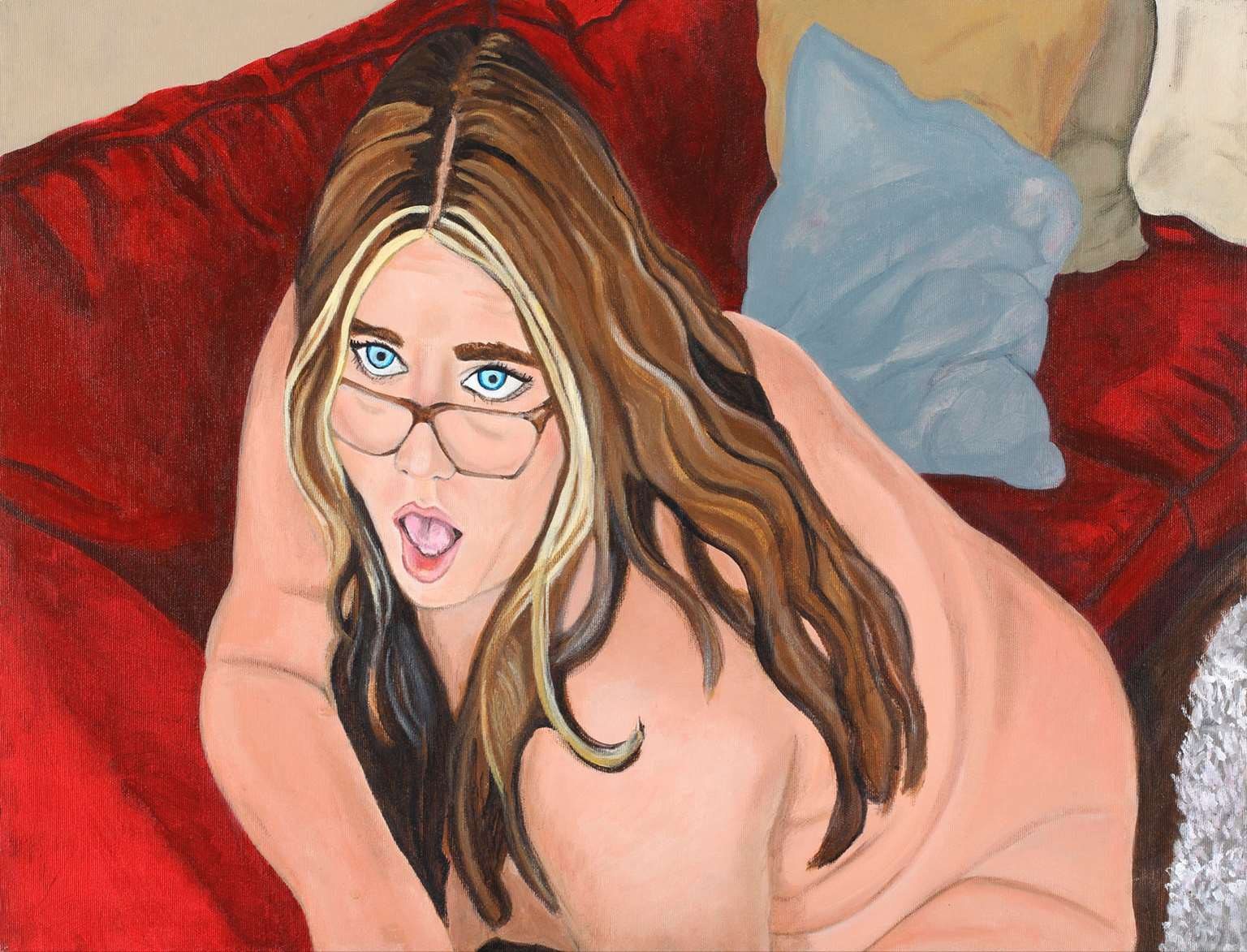 Eat the Cake
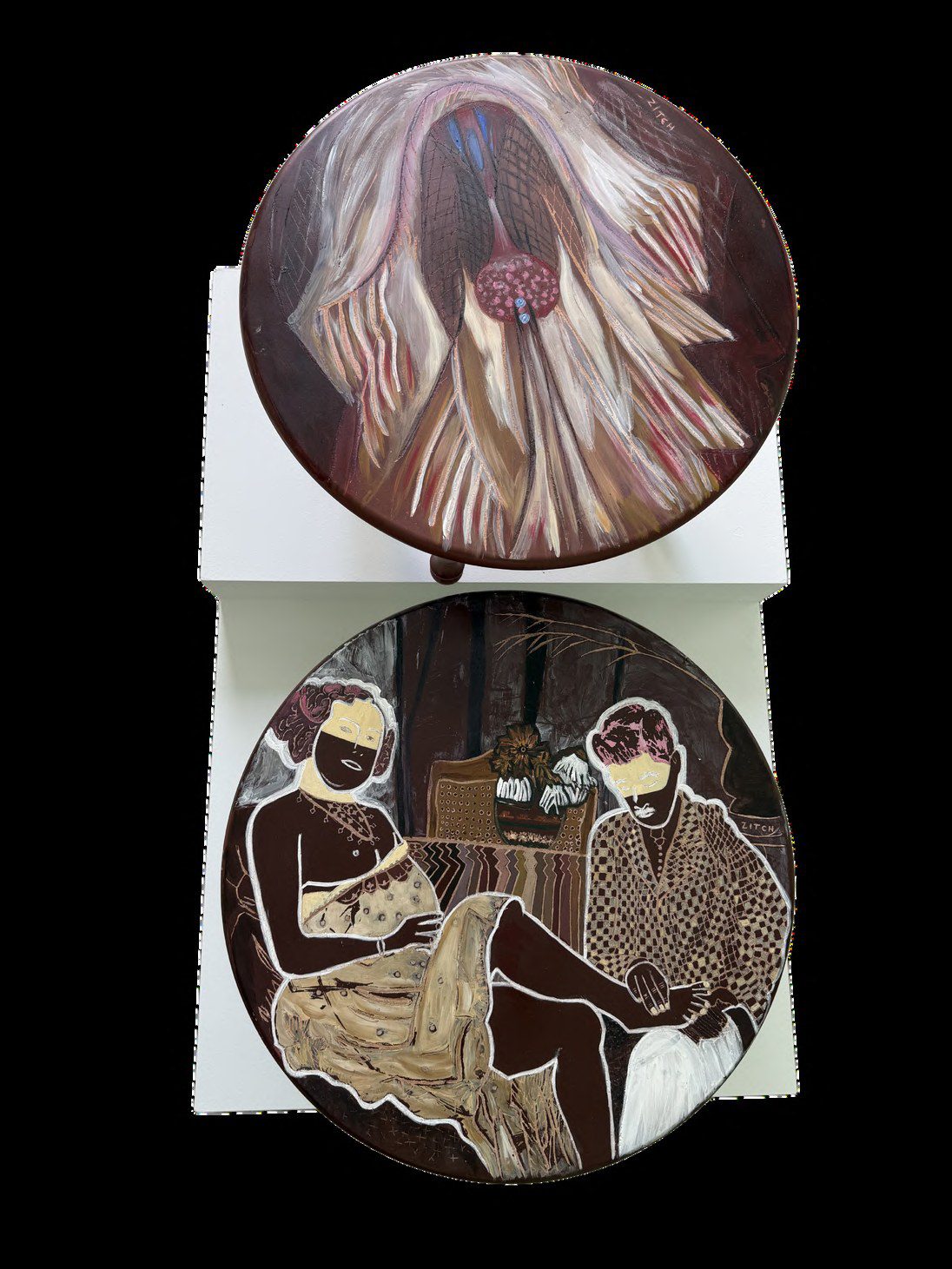 Mida 1, 2
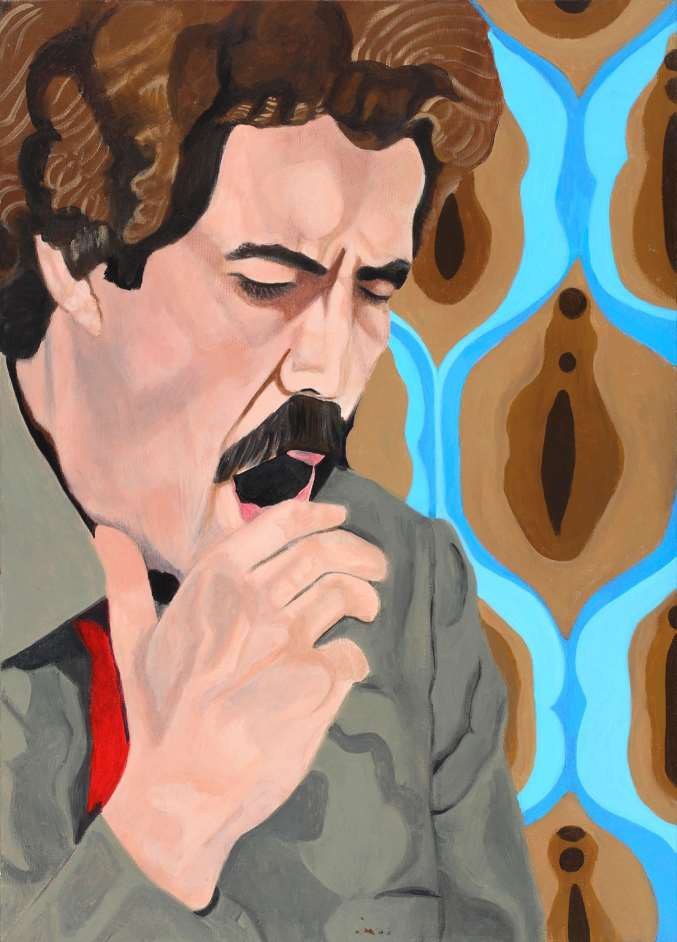 I work at pleasin me cause I can’t please you
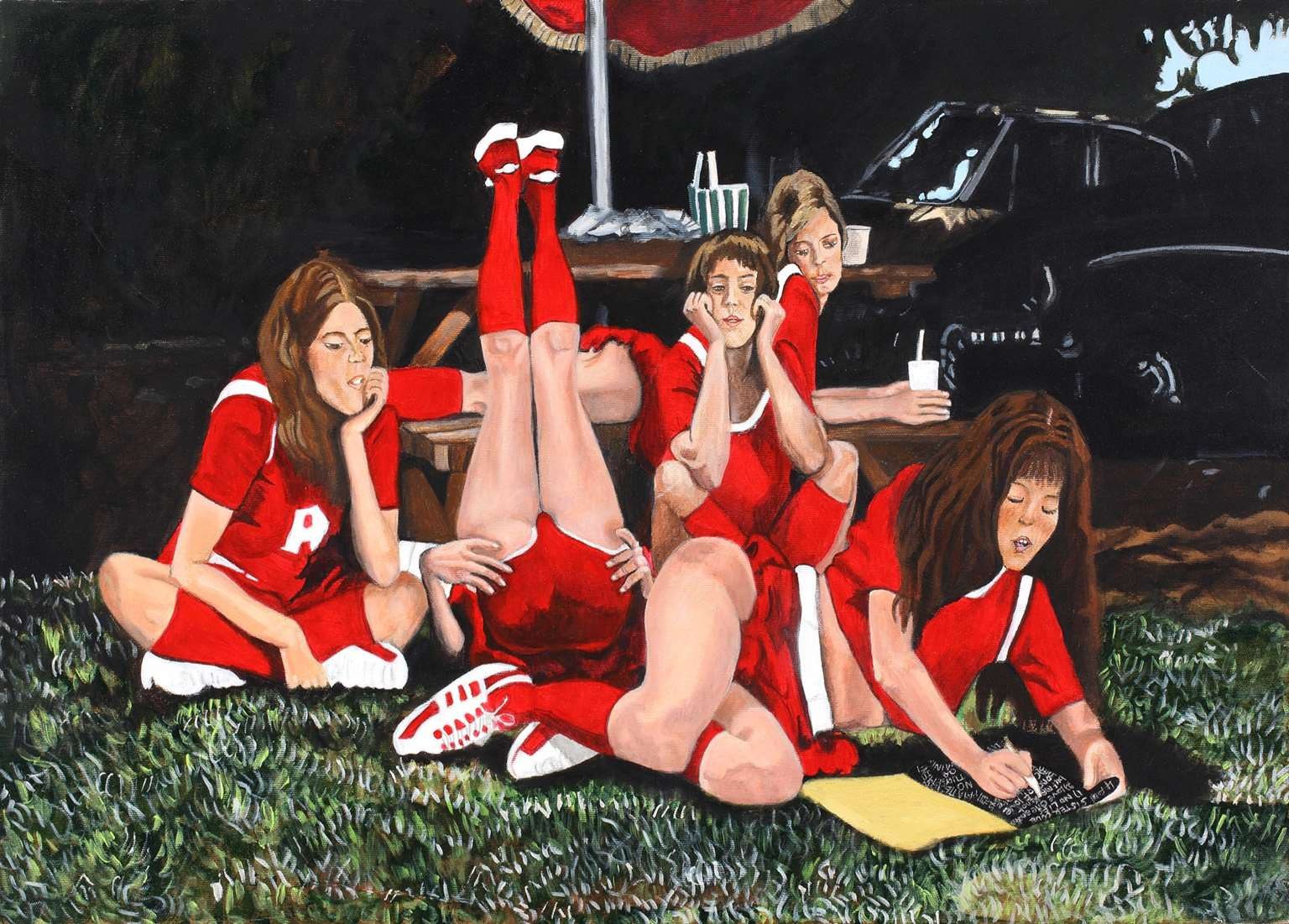 Ain’t nothing but a sista party
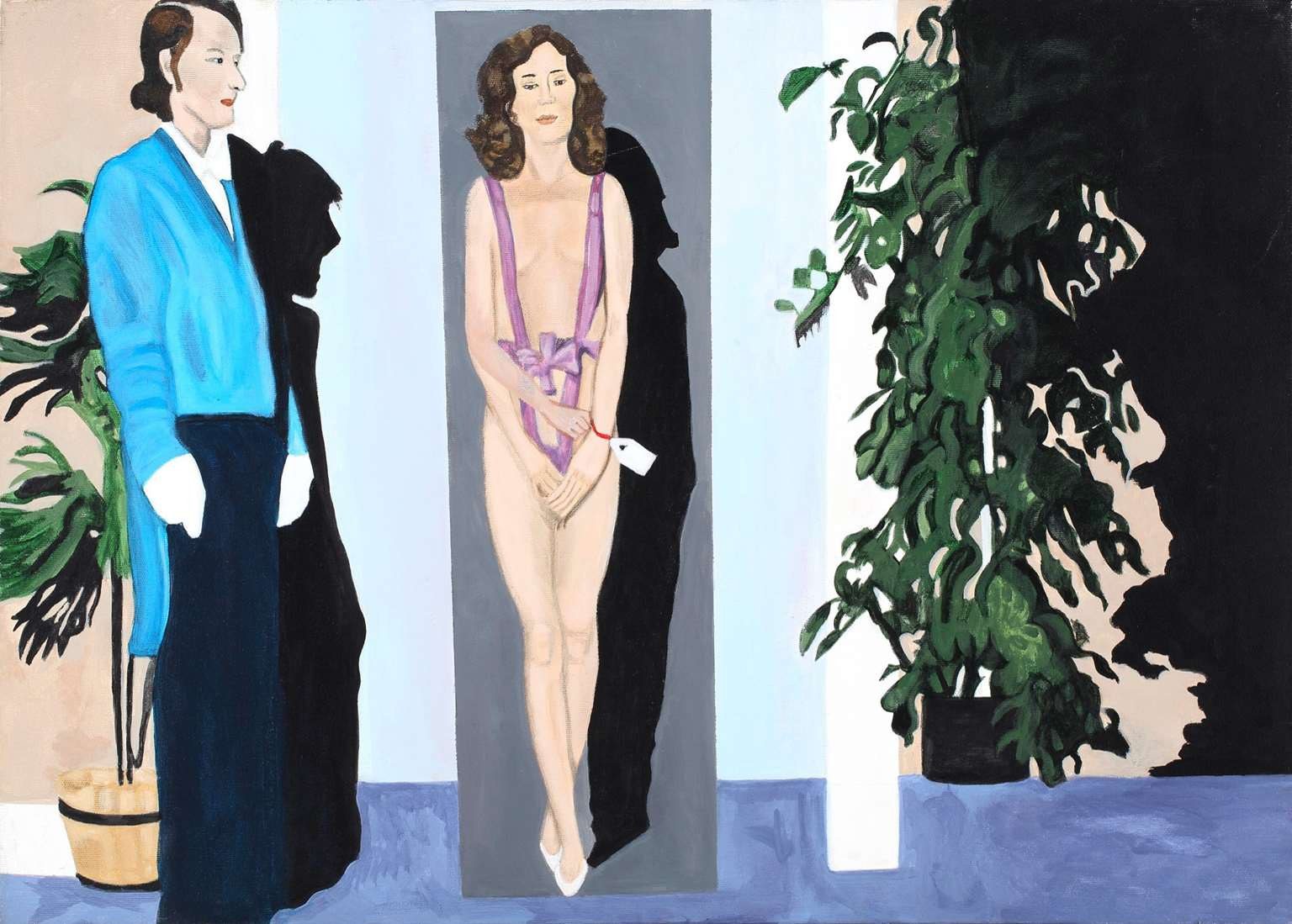 Freedom digger
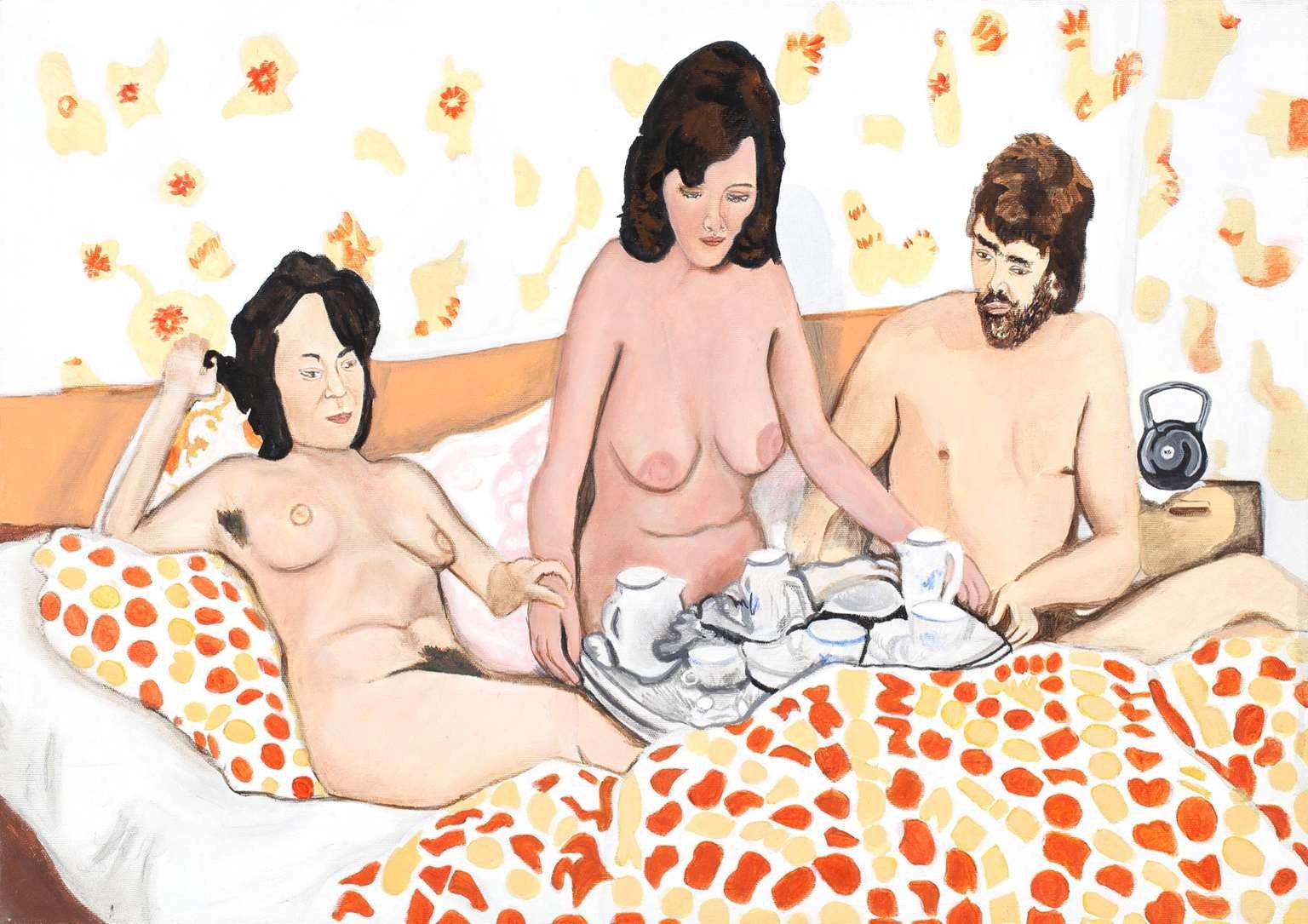 I need a girl (Part 2)
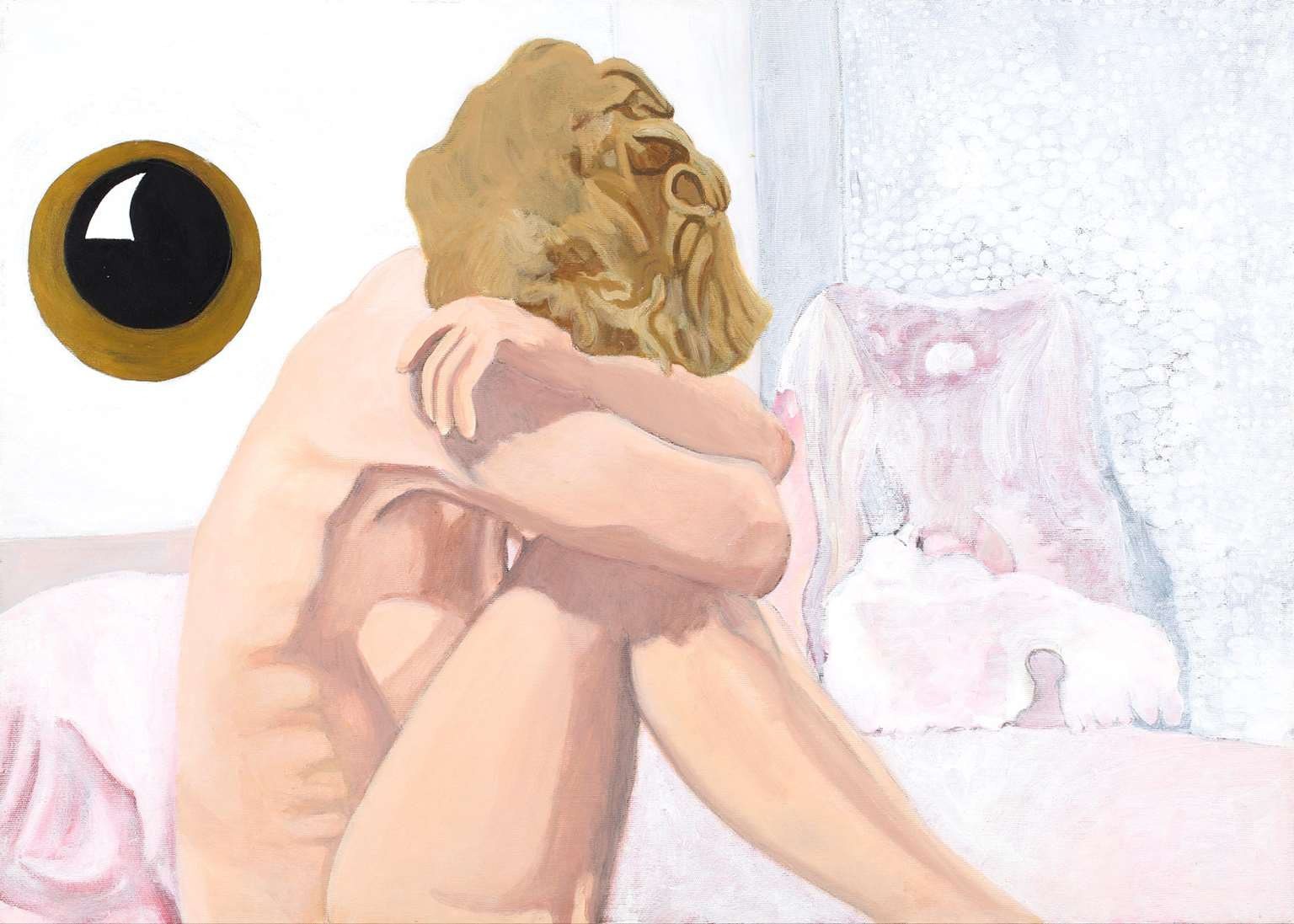 In my solitude
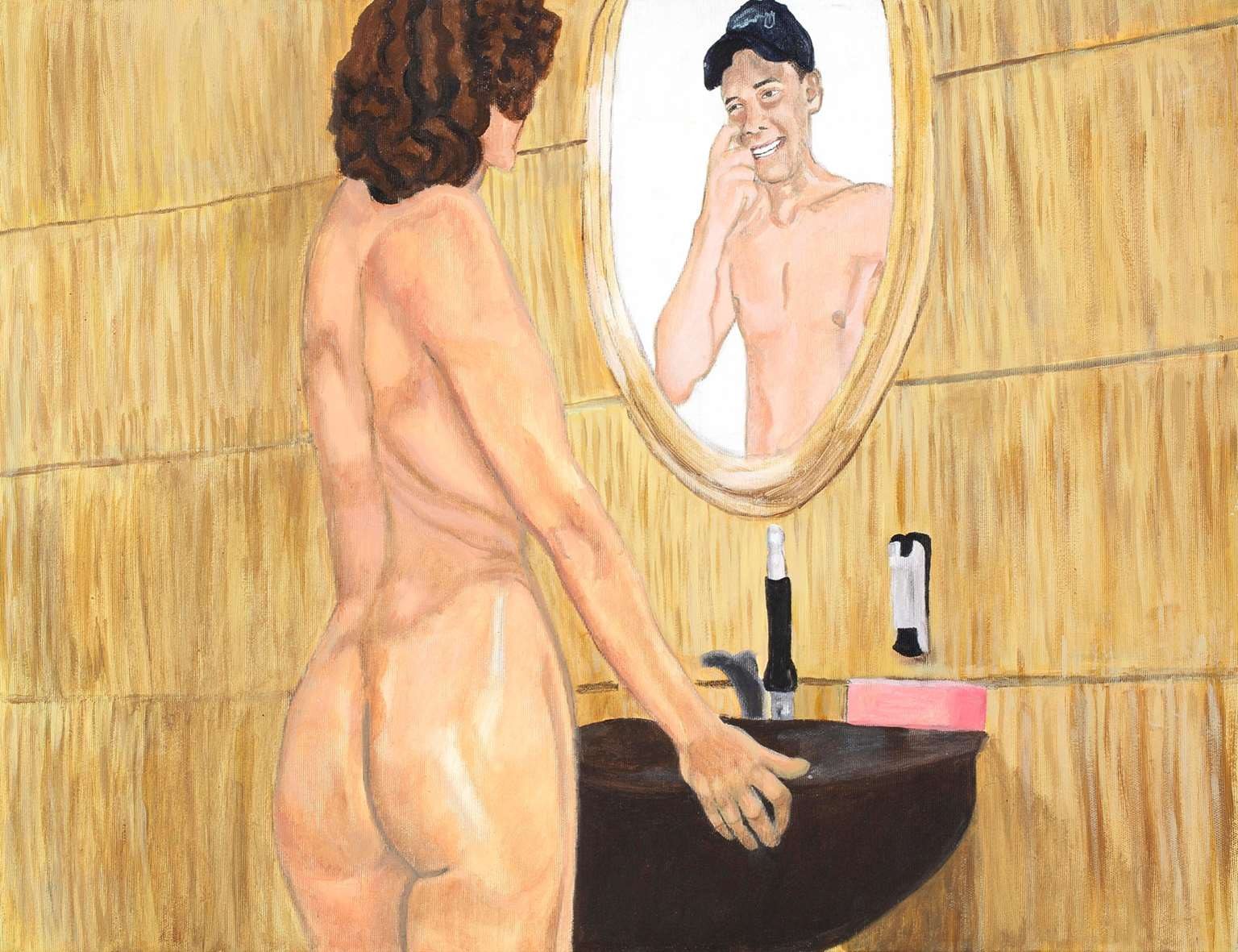 My love is your love
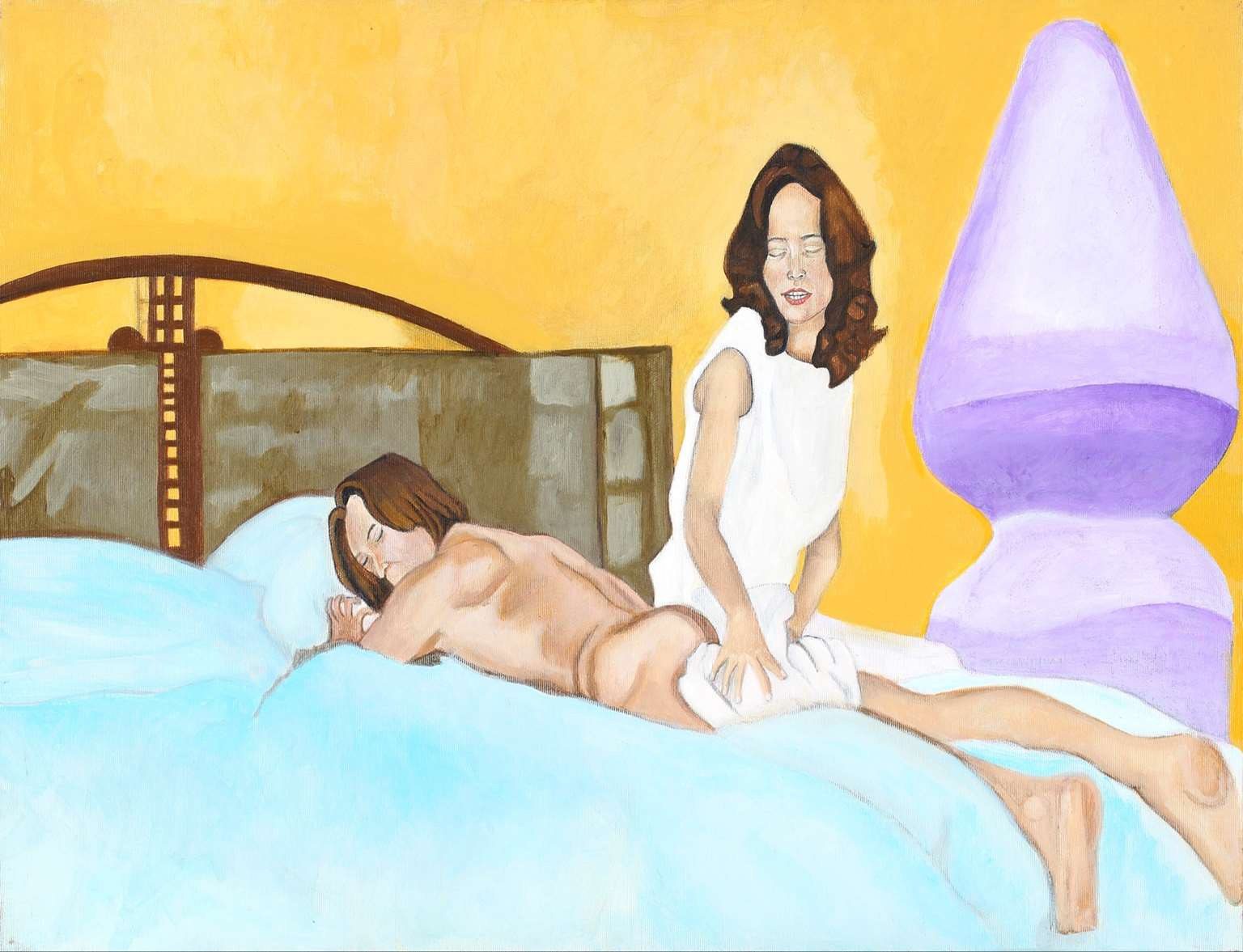 Da booty
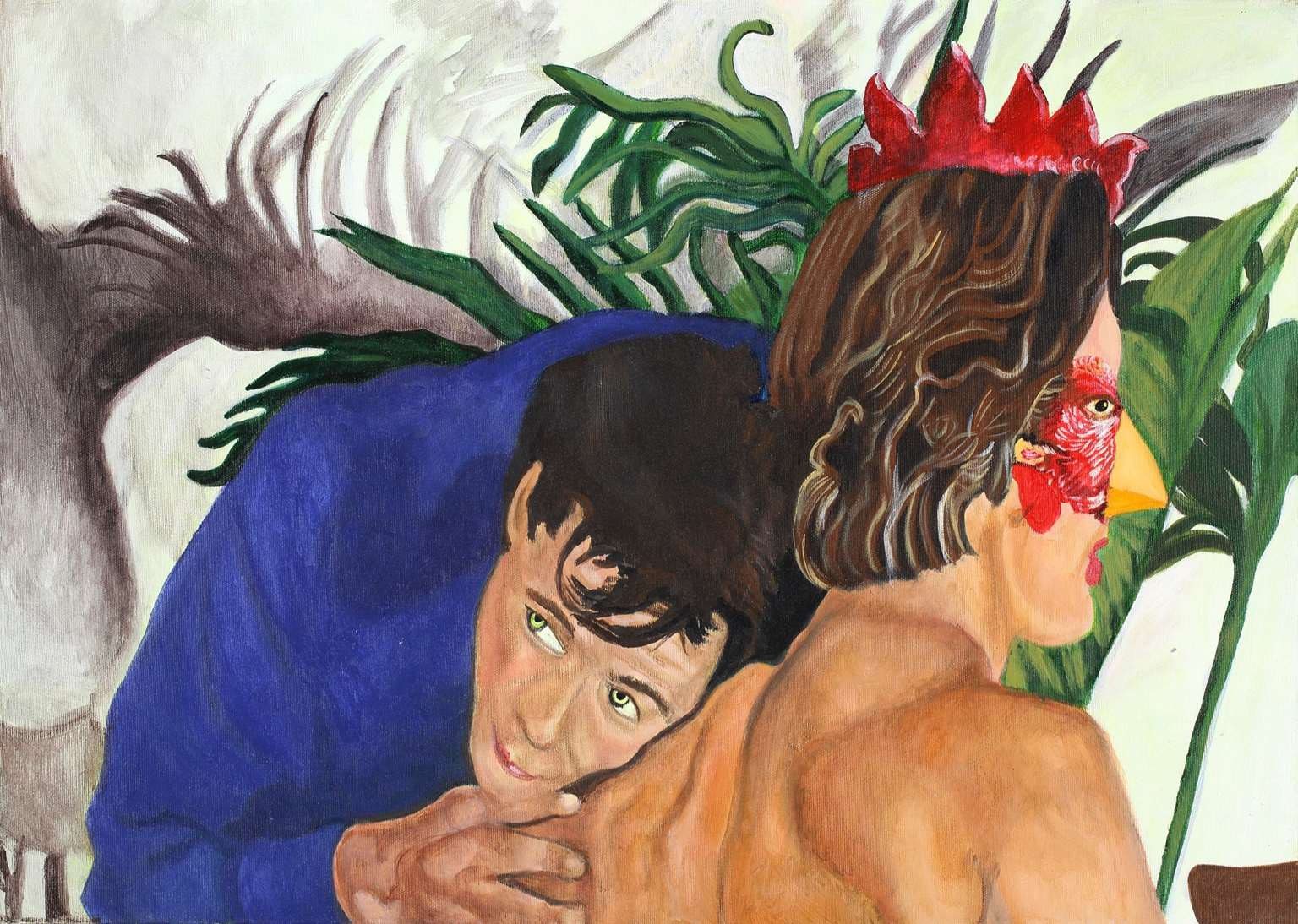 Le coq
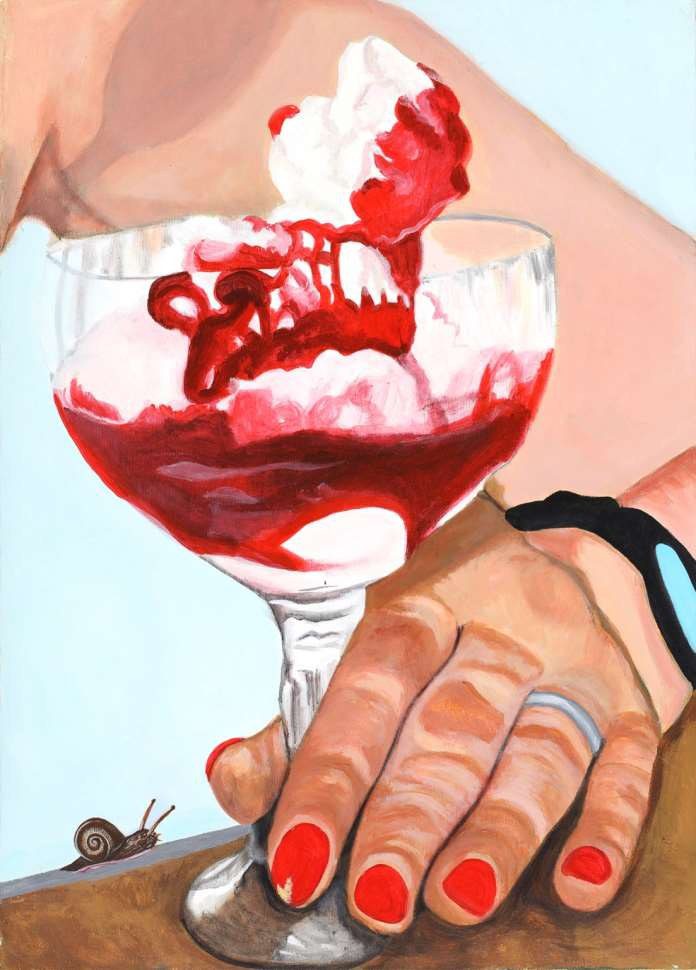 Cremaster
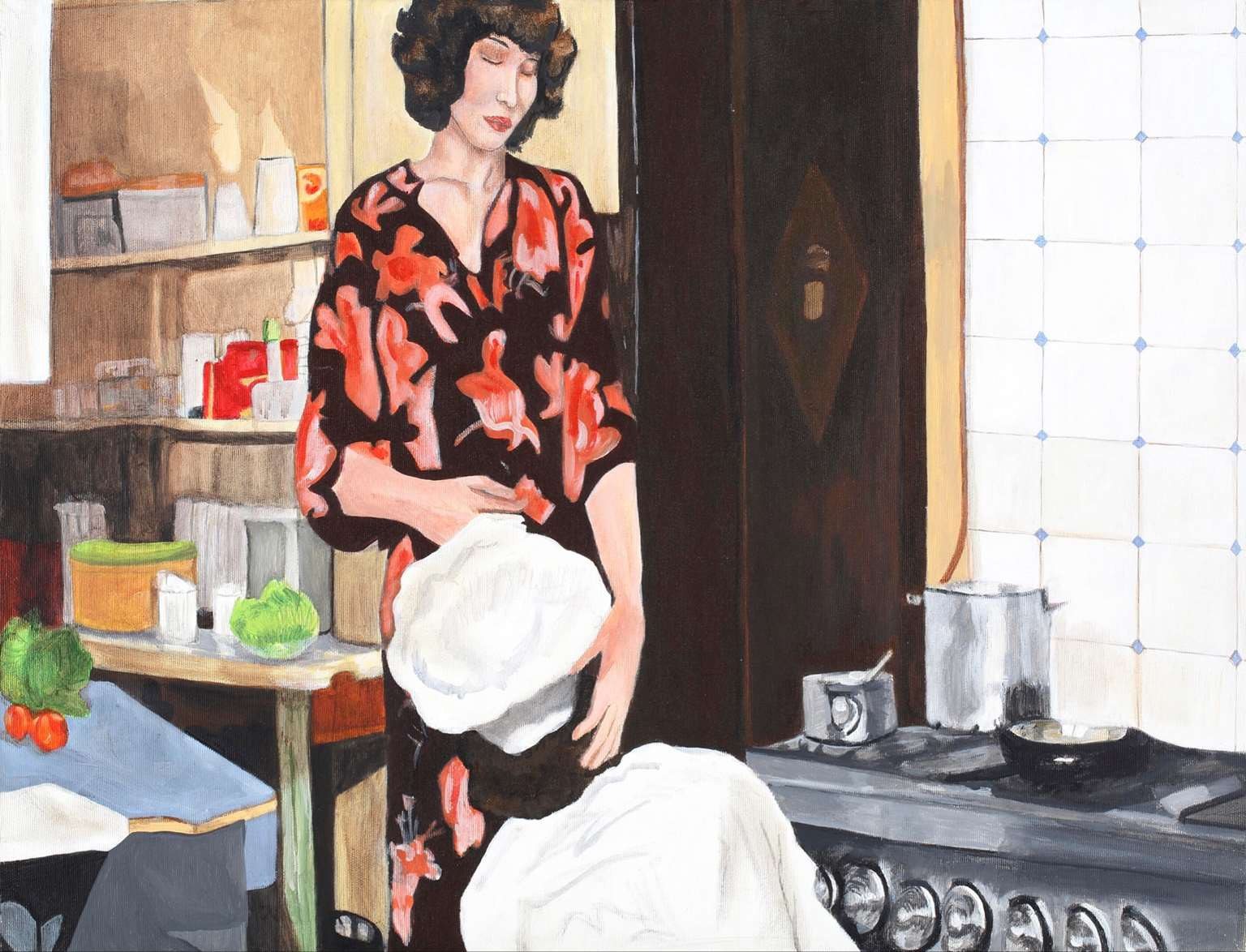 Va me faire un steak frite
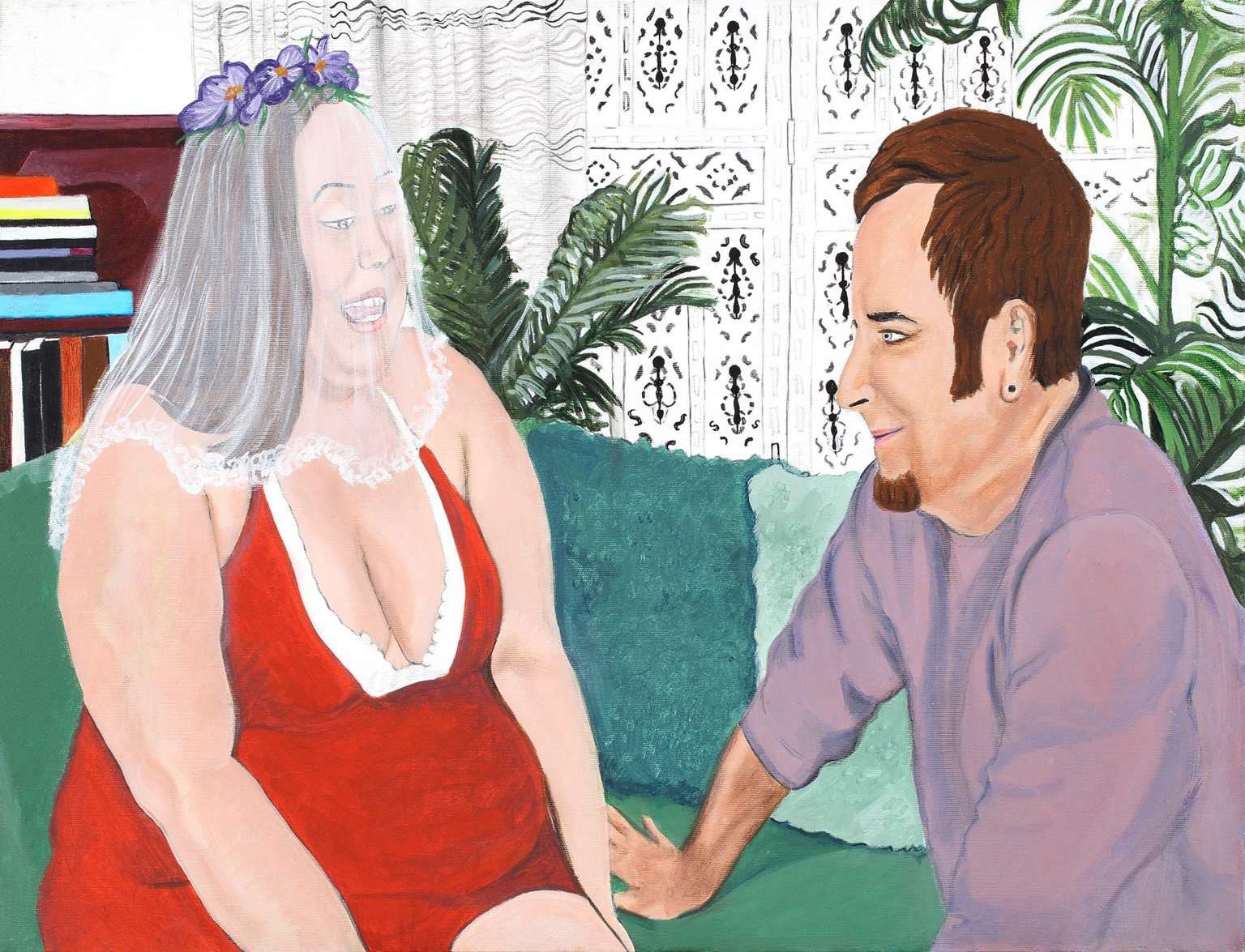 I need a girl (Part 3)
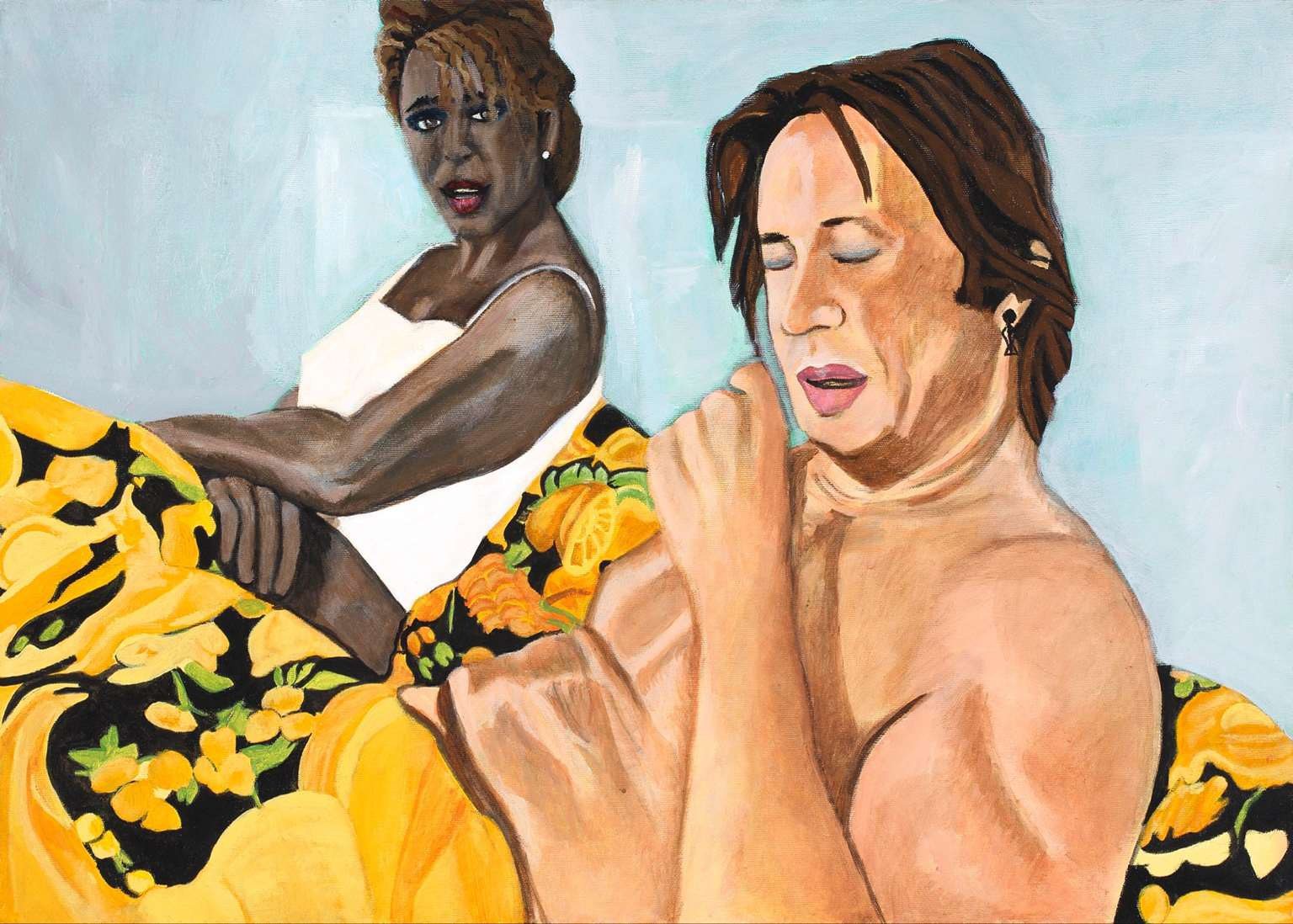 Heart of Glass
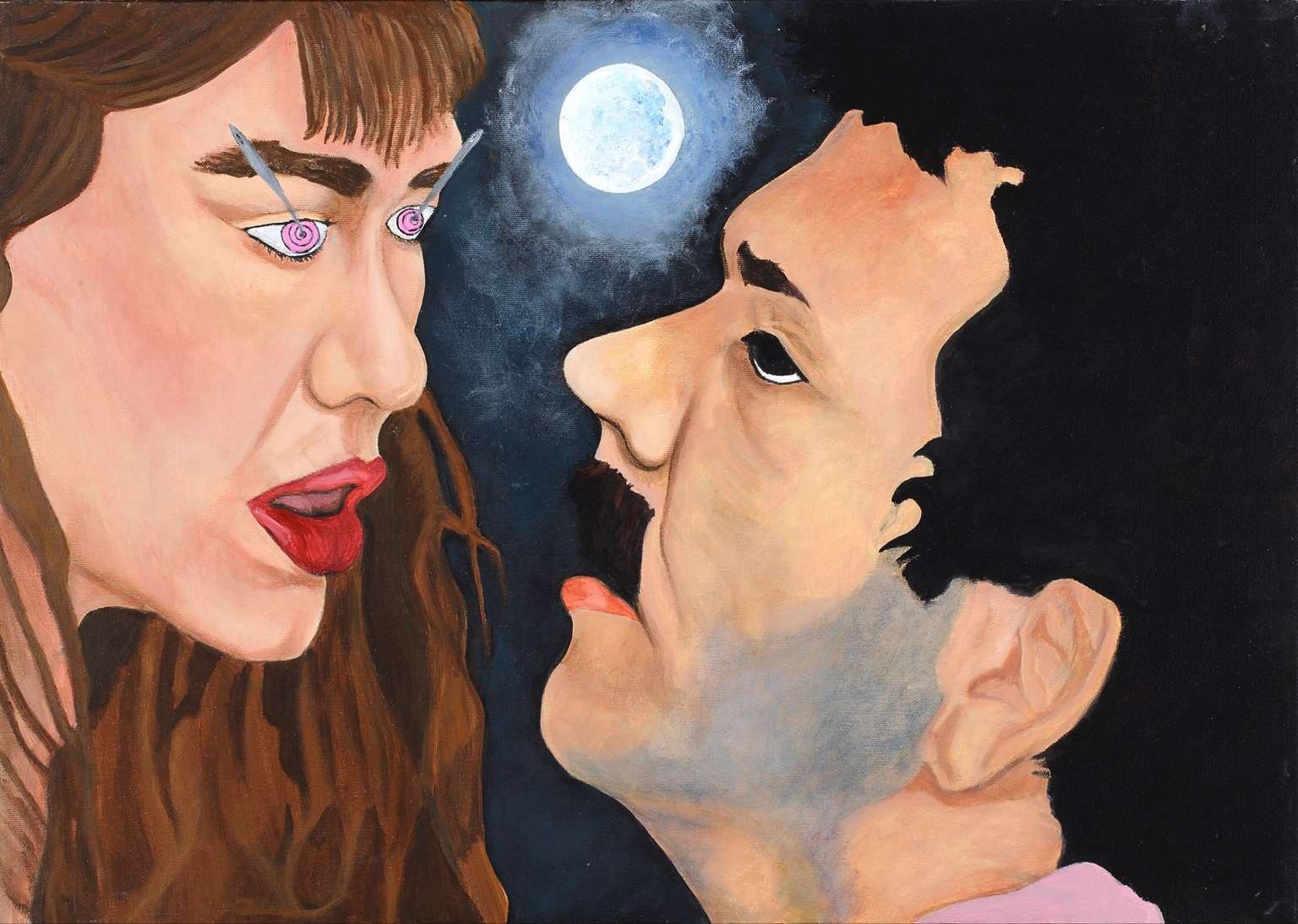 Mood swings
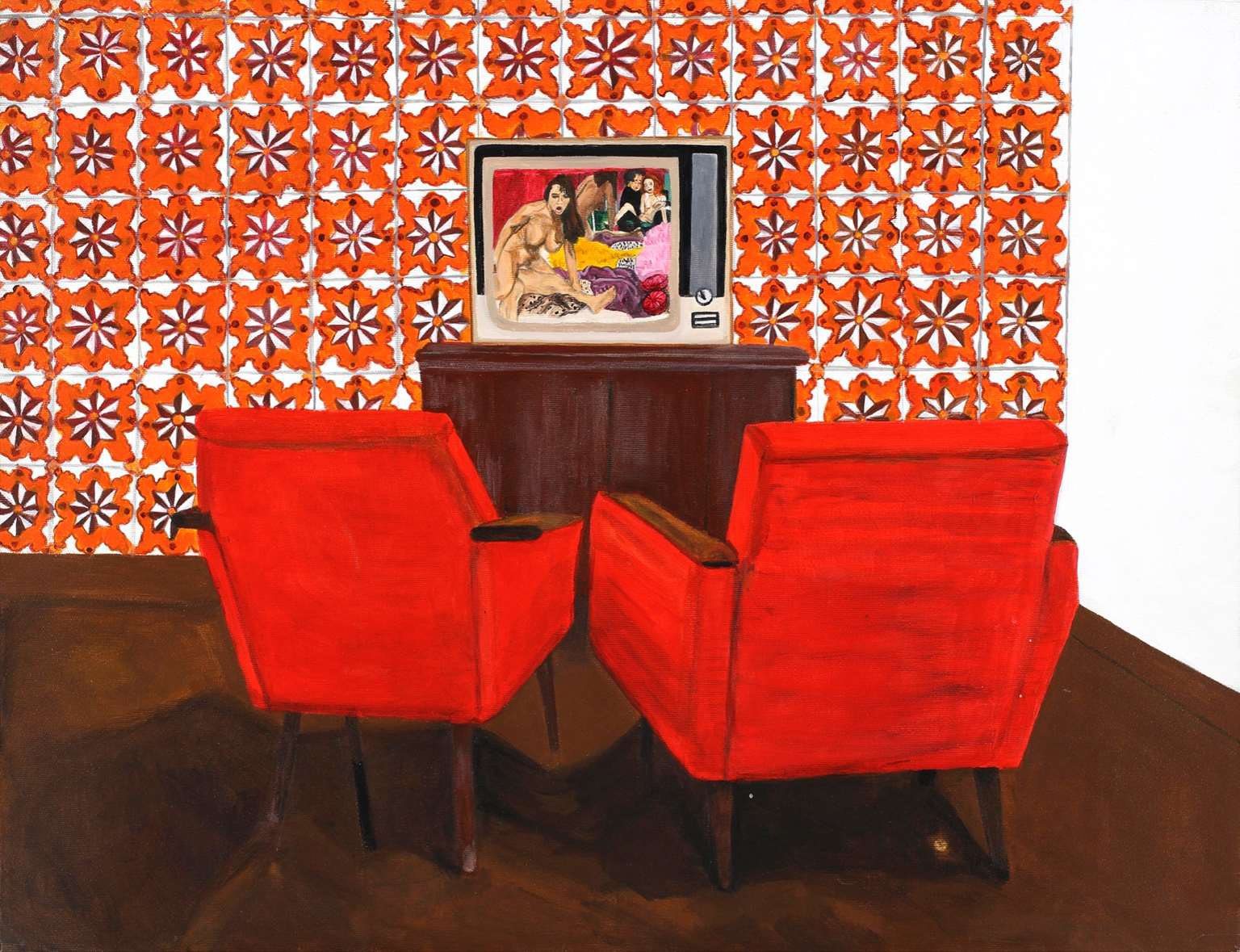 Porn Addict
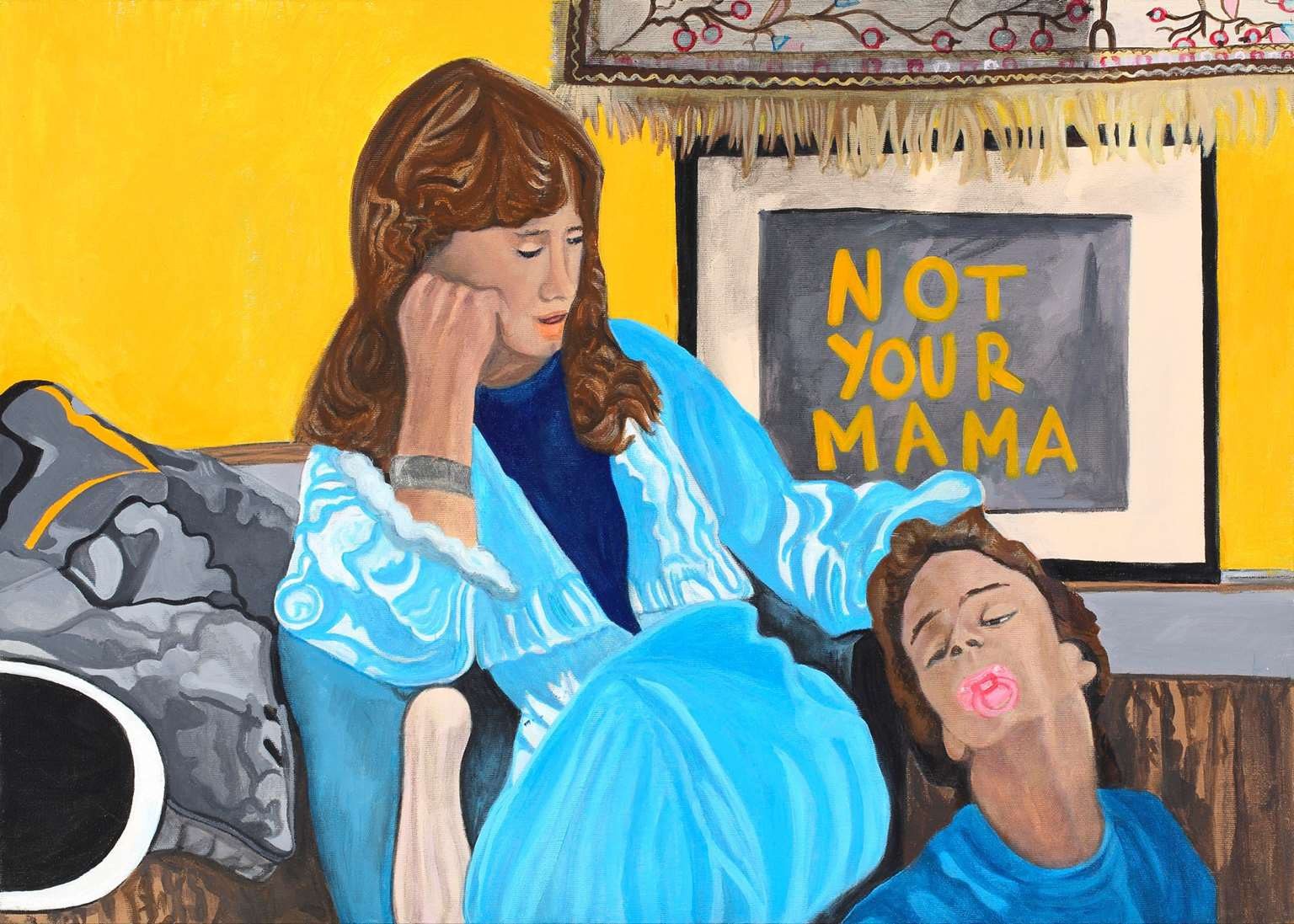 Same guy
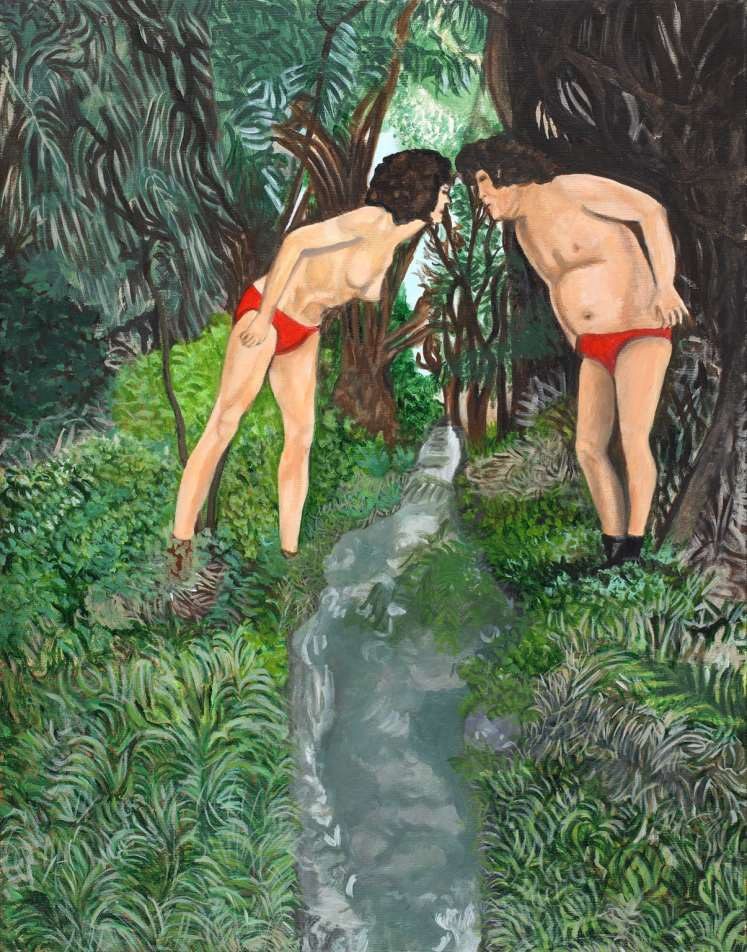 Until we bleed
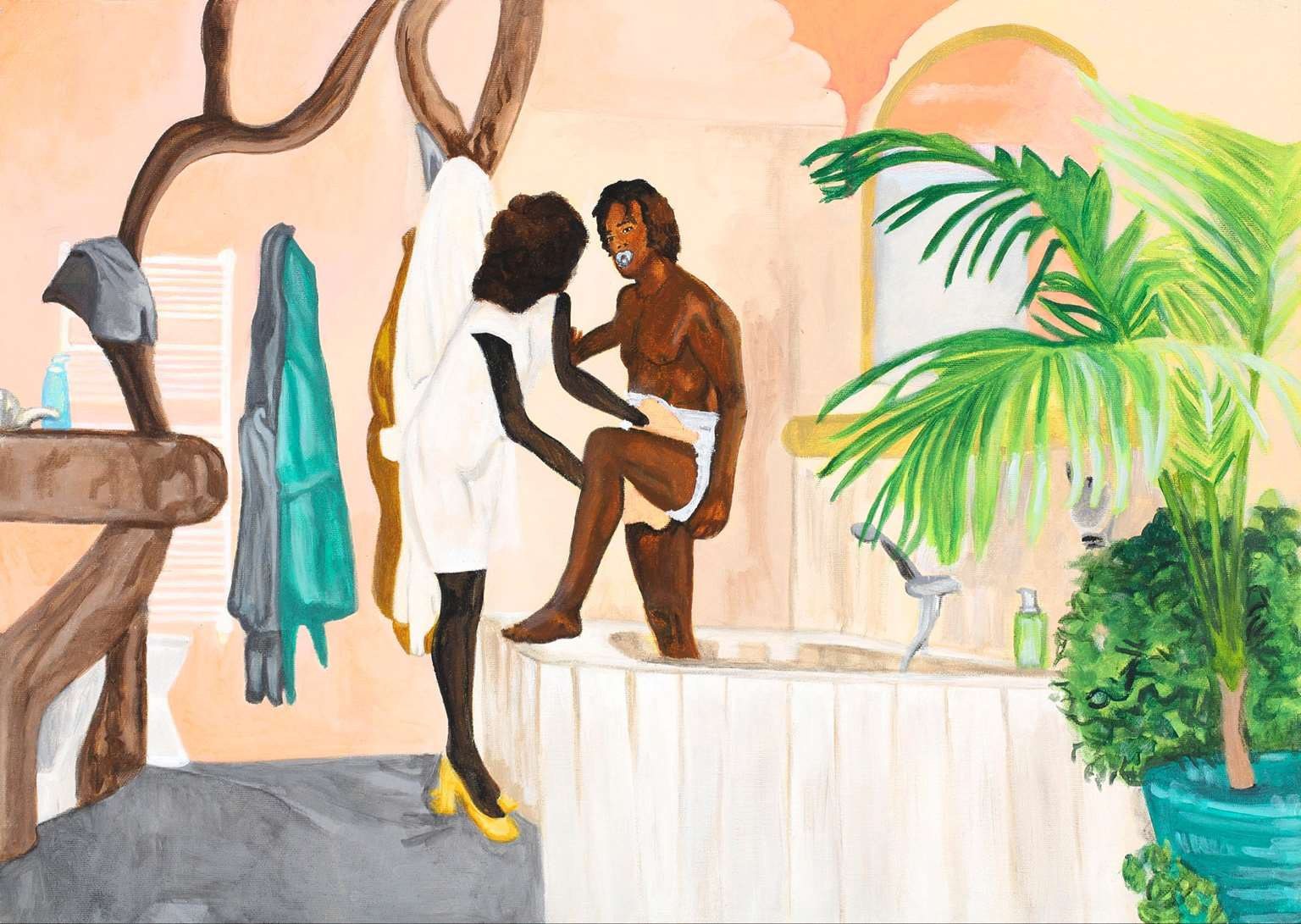 Everything must be clean 1
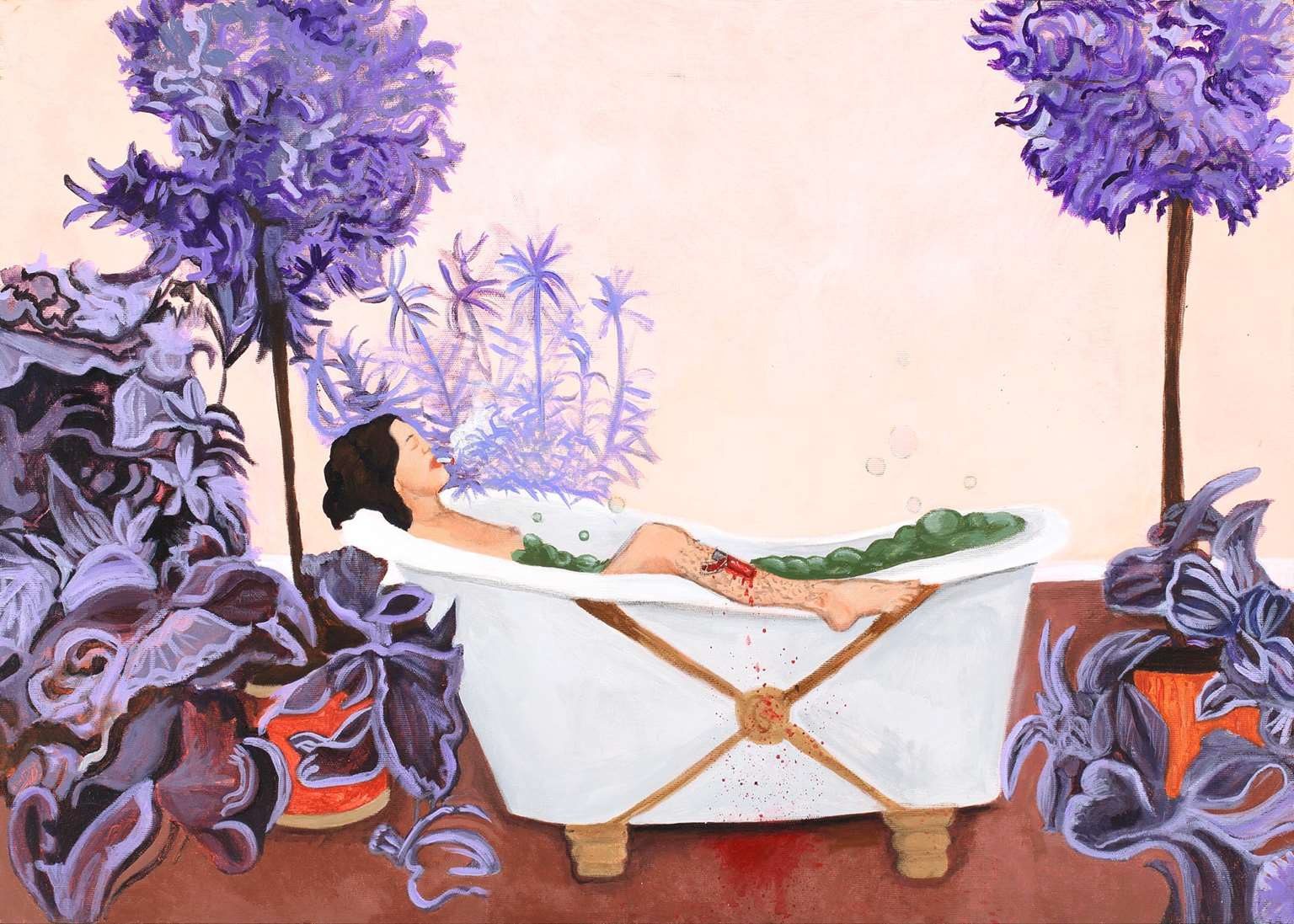 Everything must be clean 2
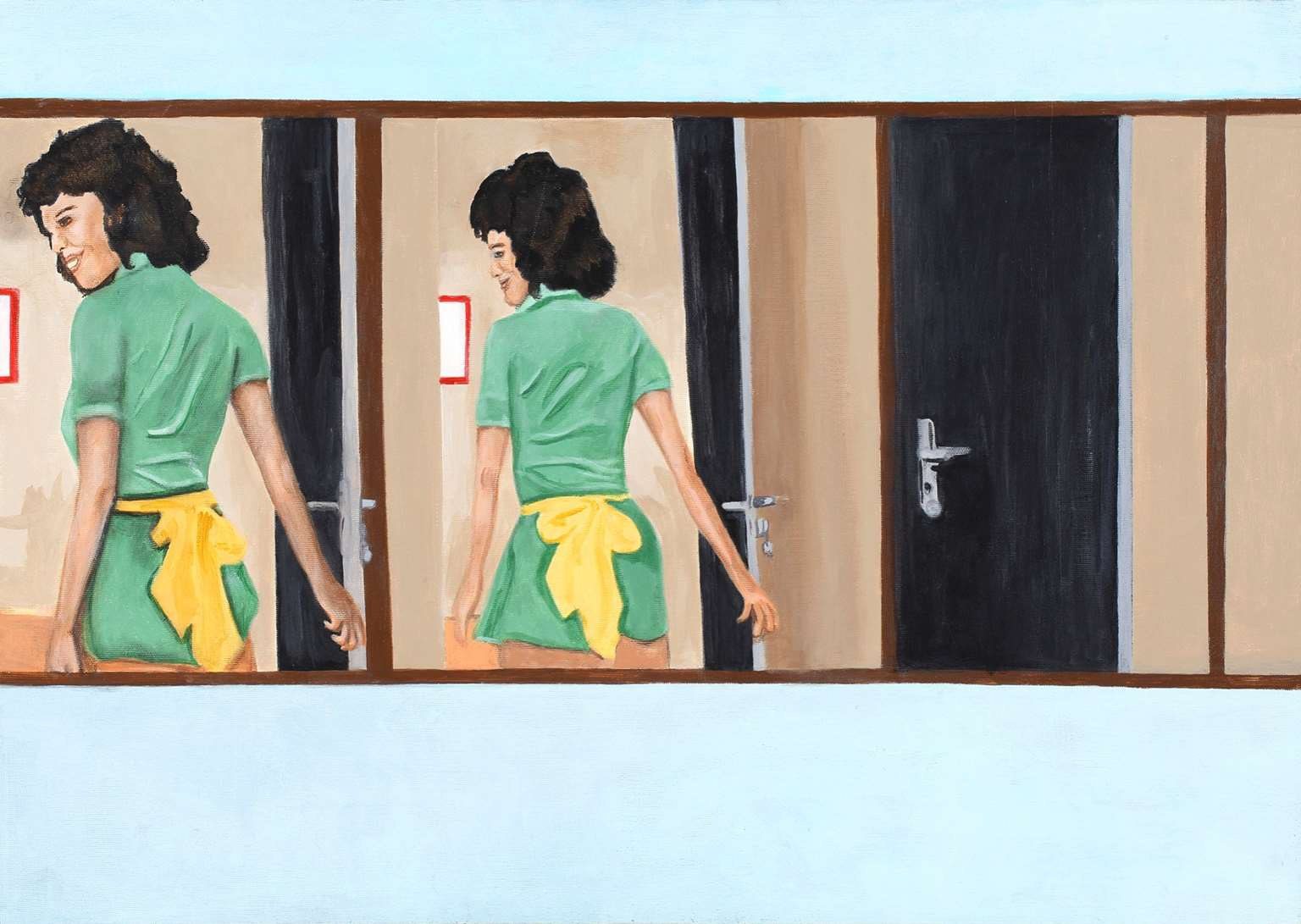 Sometimes you gotta close a door to open a window
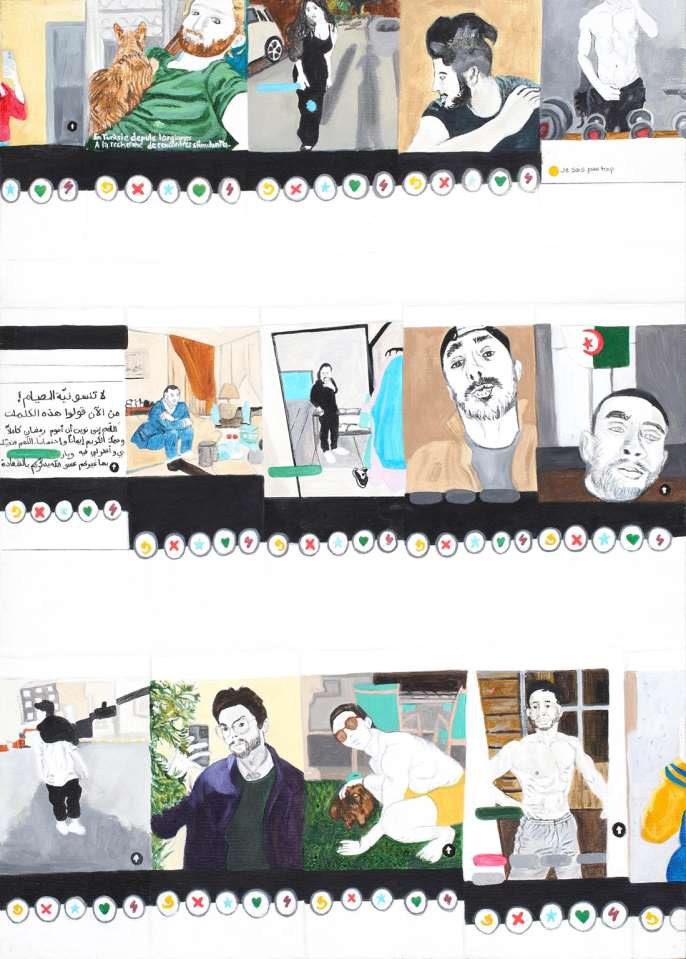 Tinderella
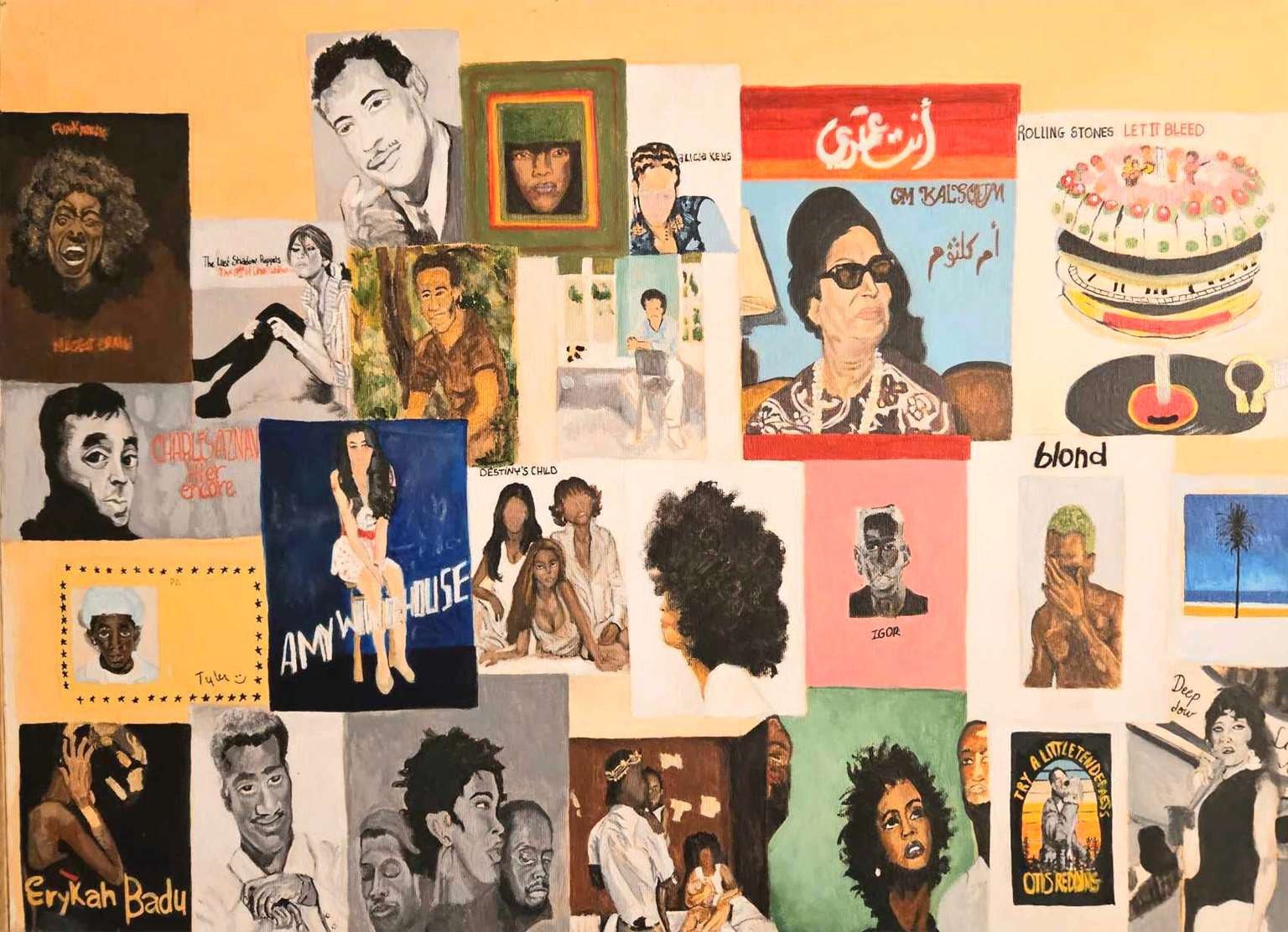 Music is my sanctuary
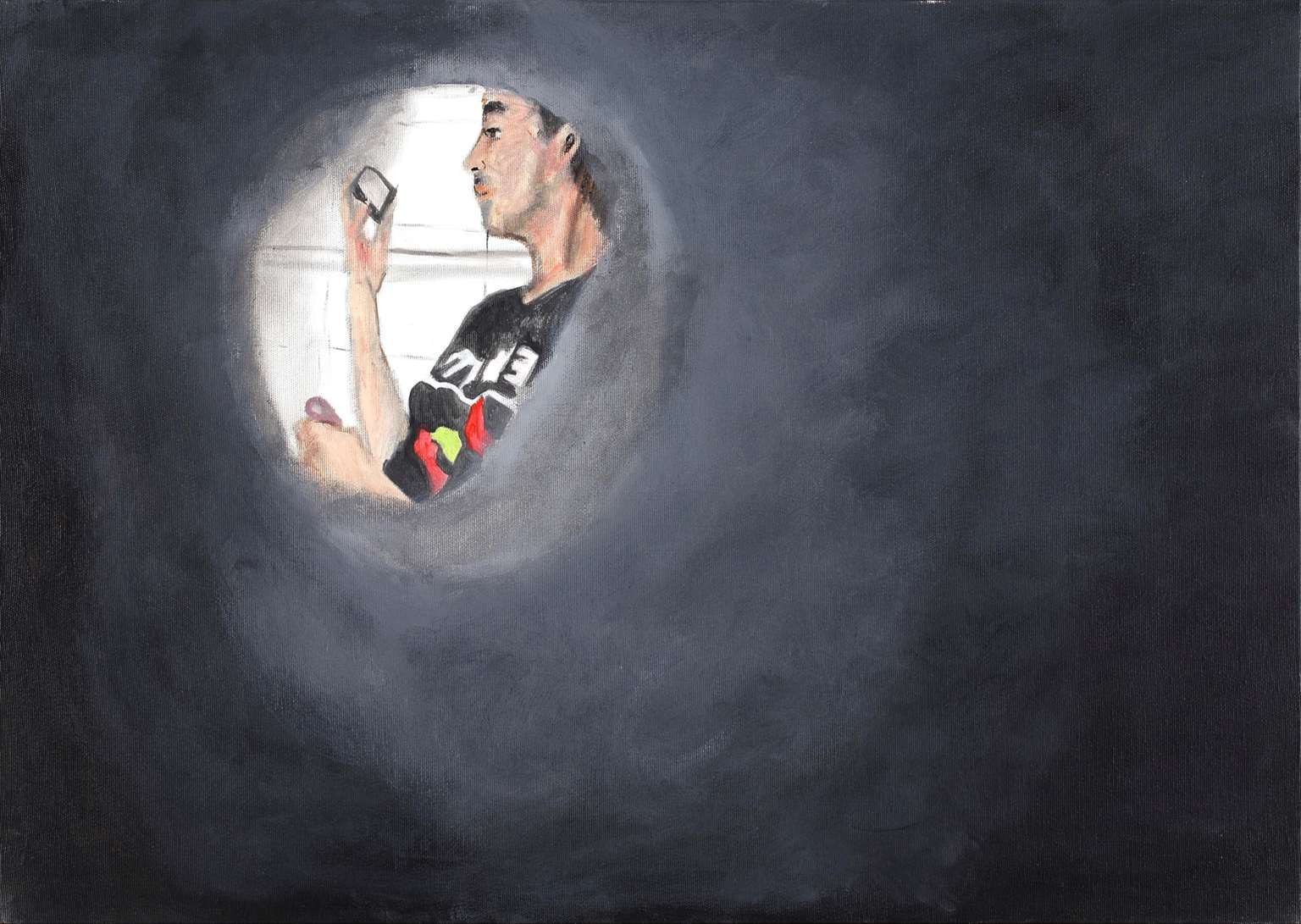 See u again
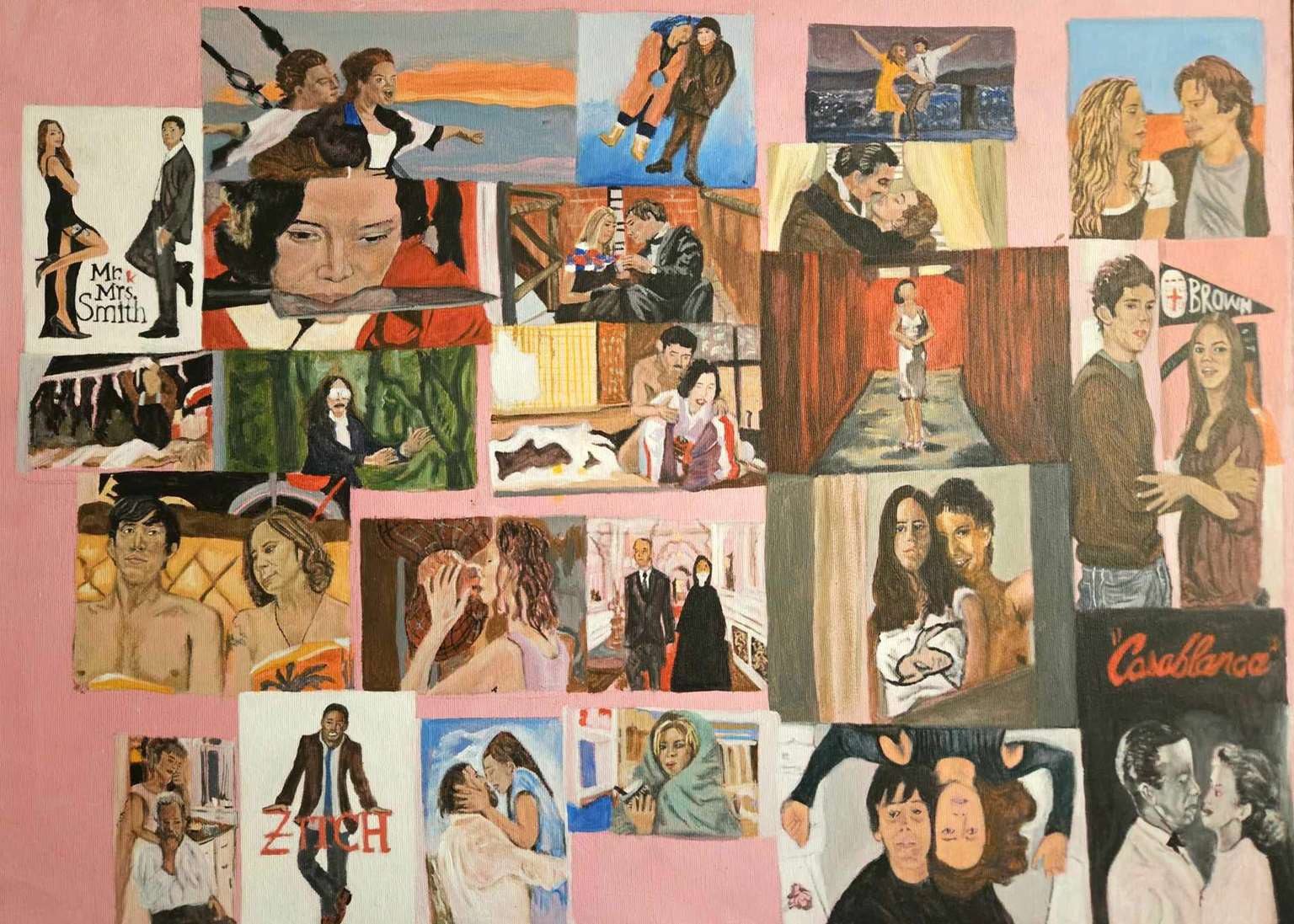 Maria movie star
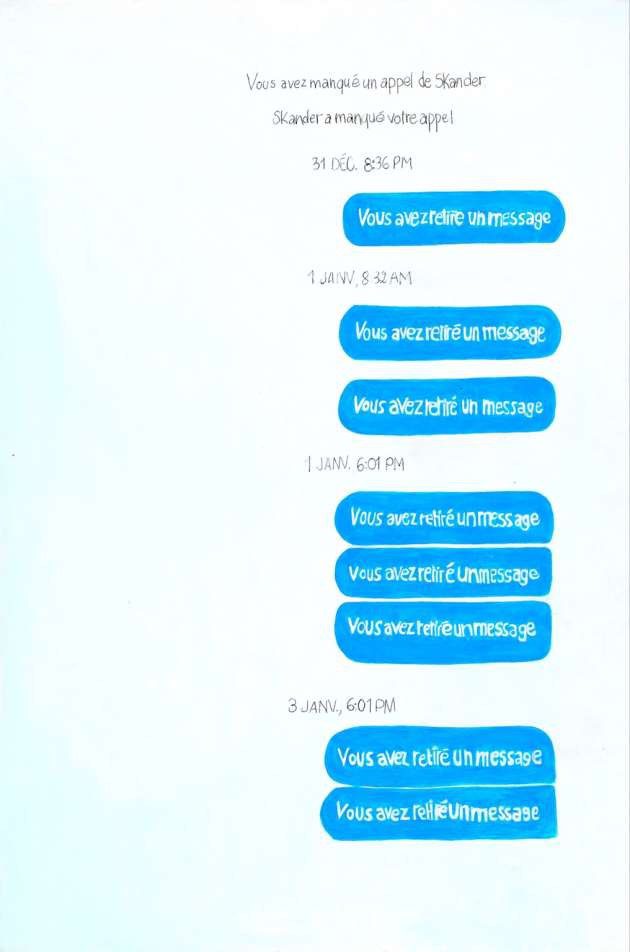 Aventura obsession
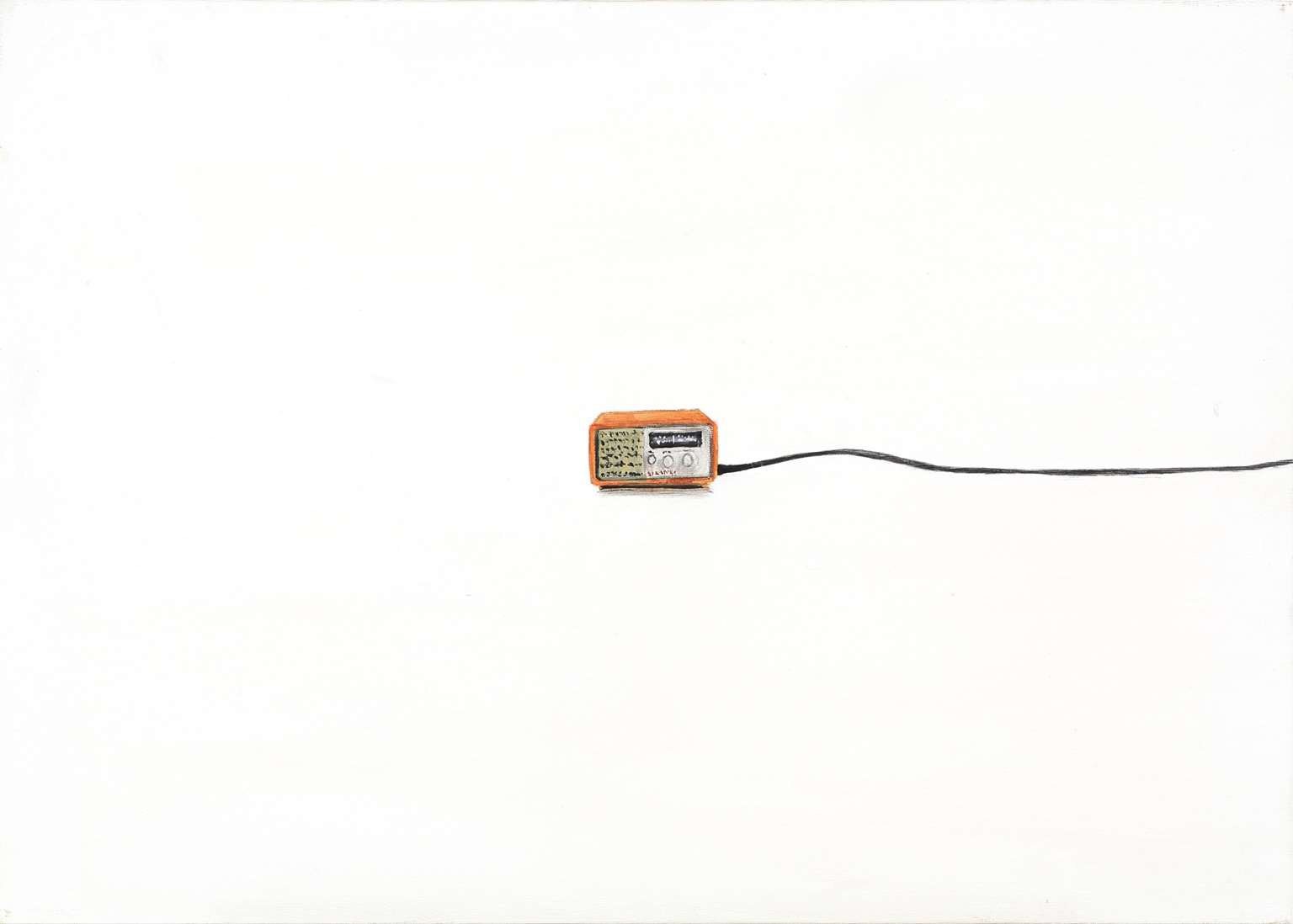 Silence radio
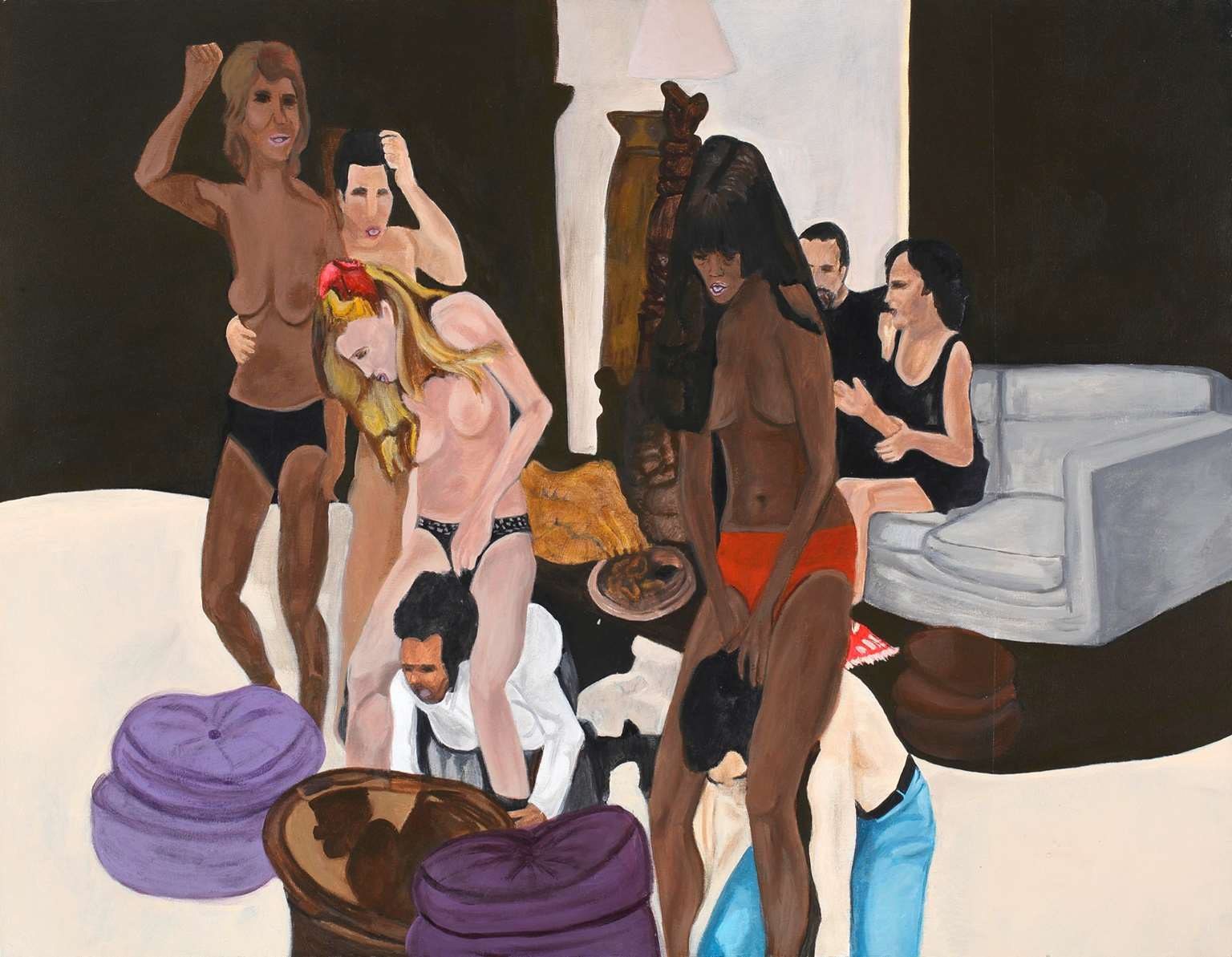 Imagine all the people
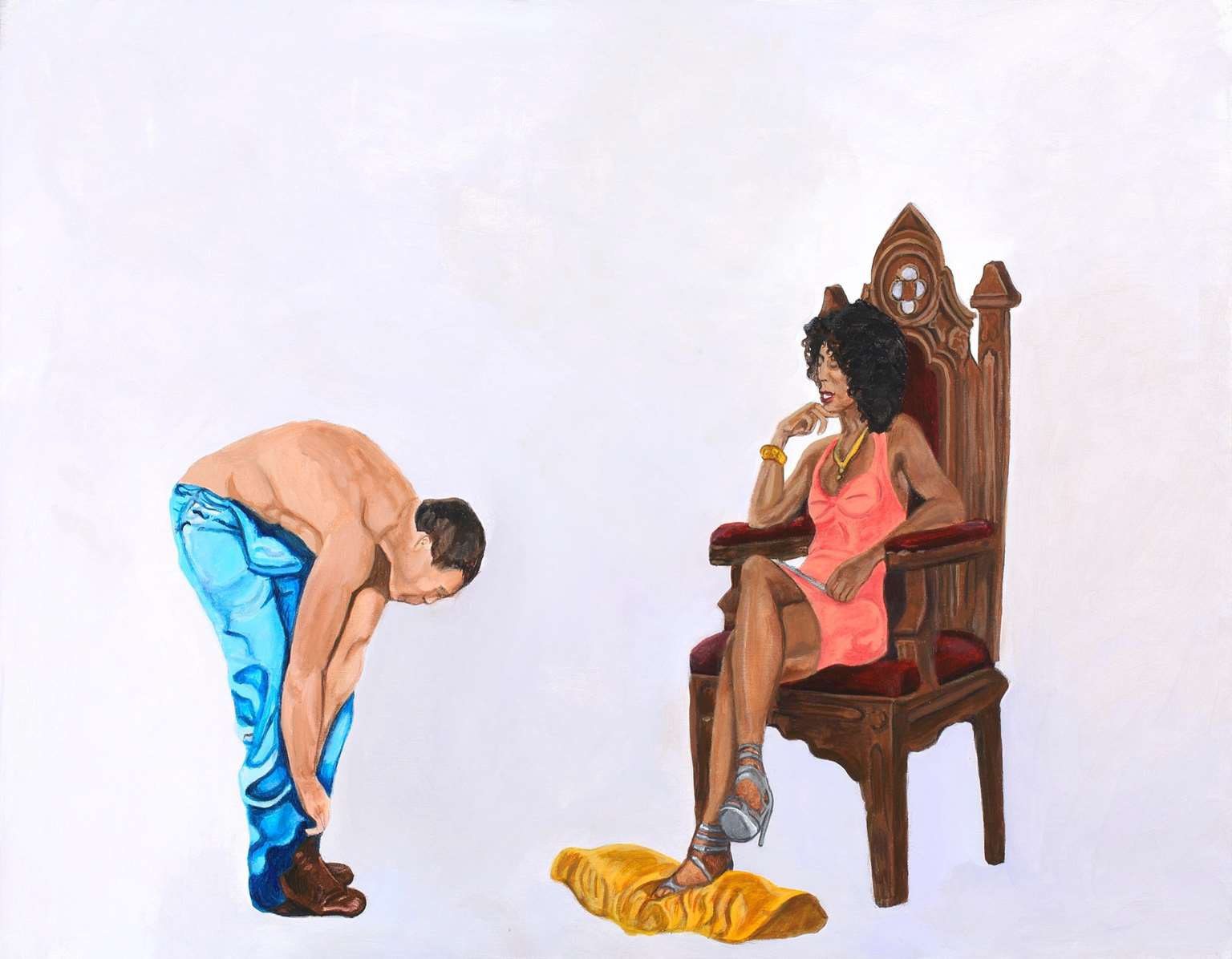 Femme fétale
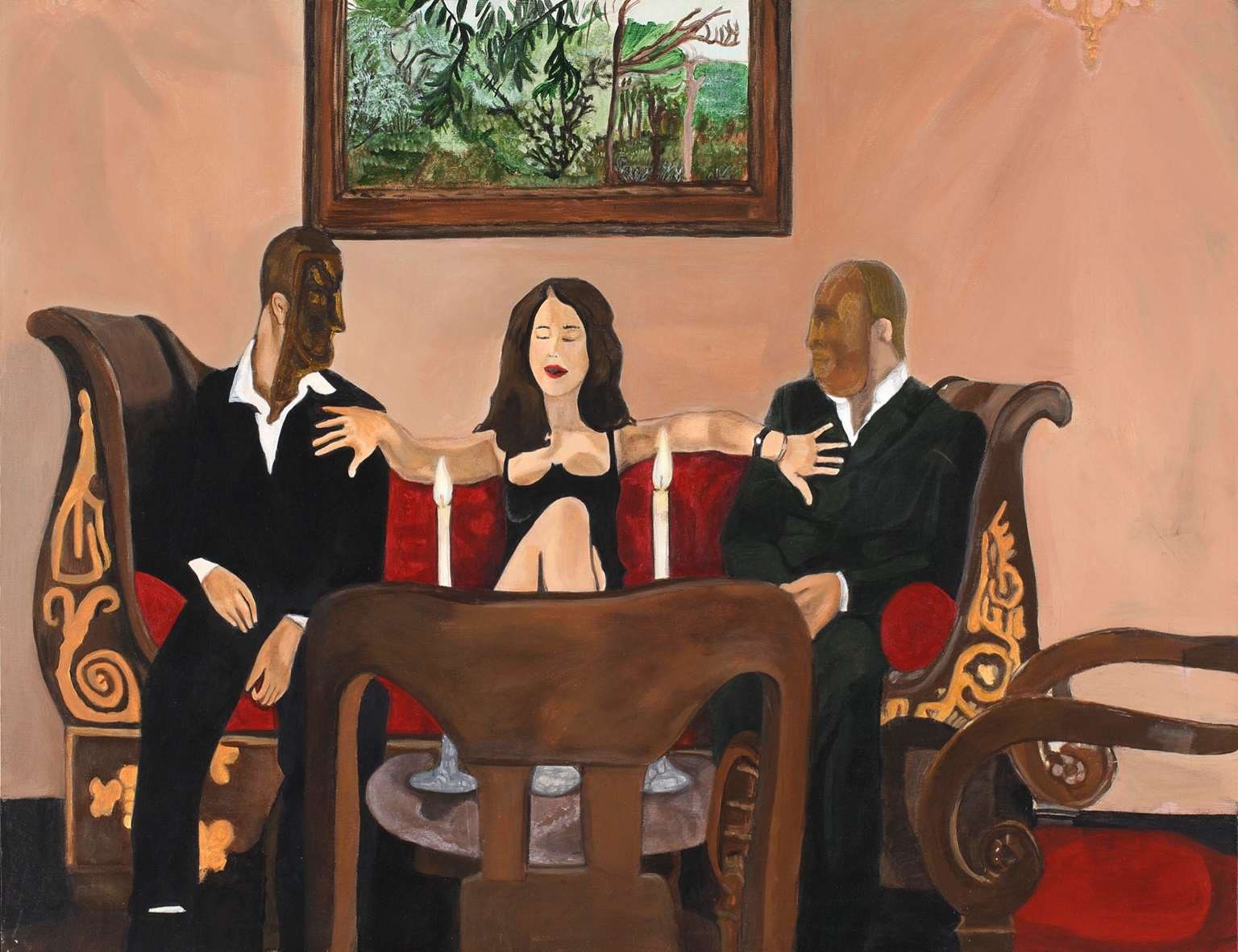 Next lifetime
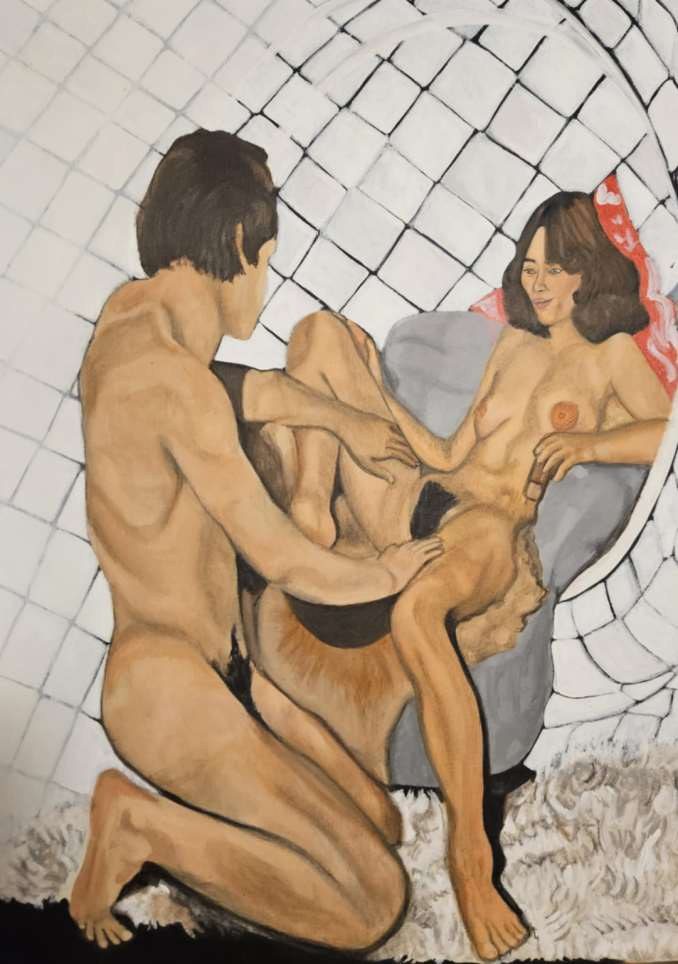 Locked up
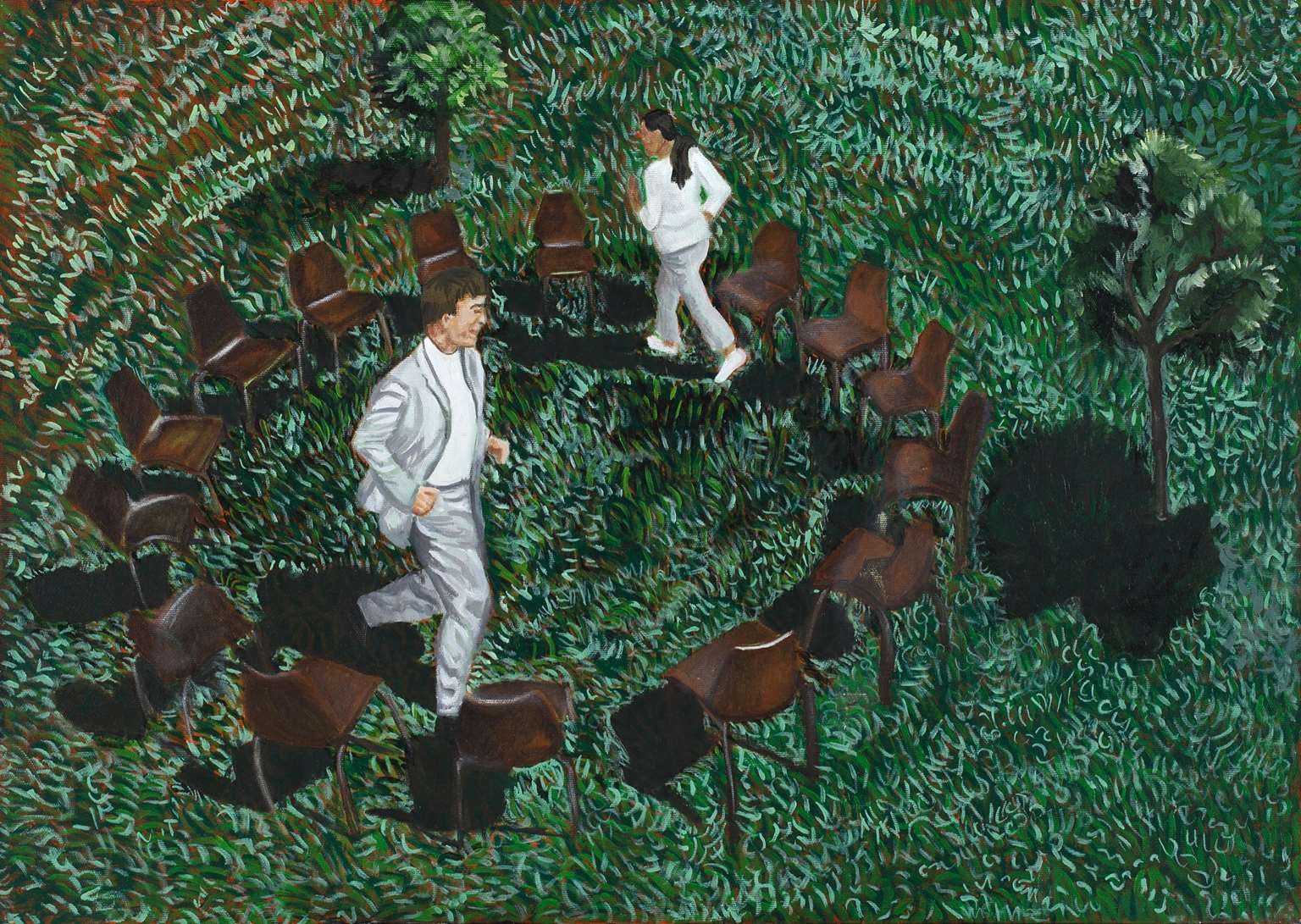 Runaway
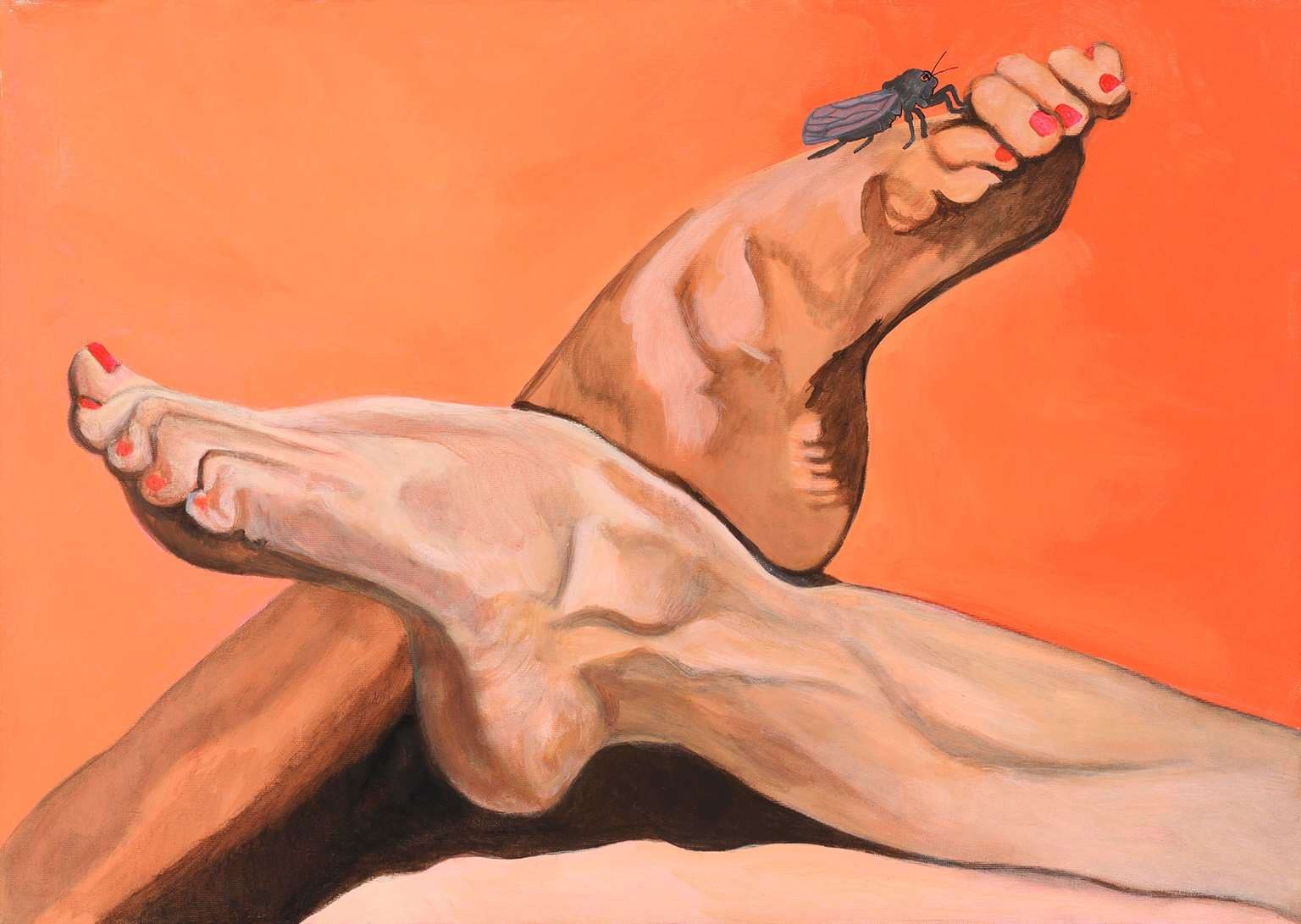 Footstep in the dark
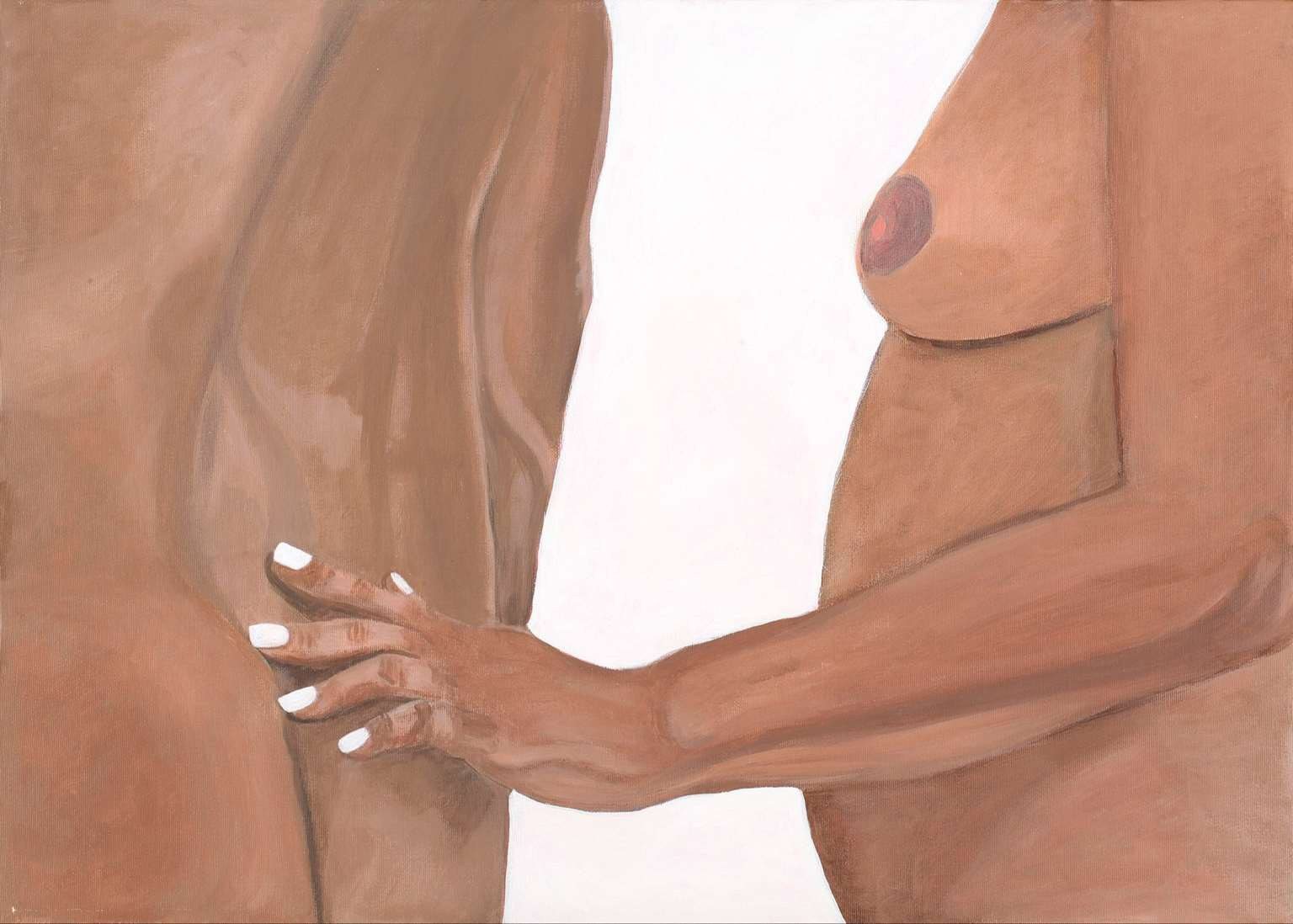 Touch my body
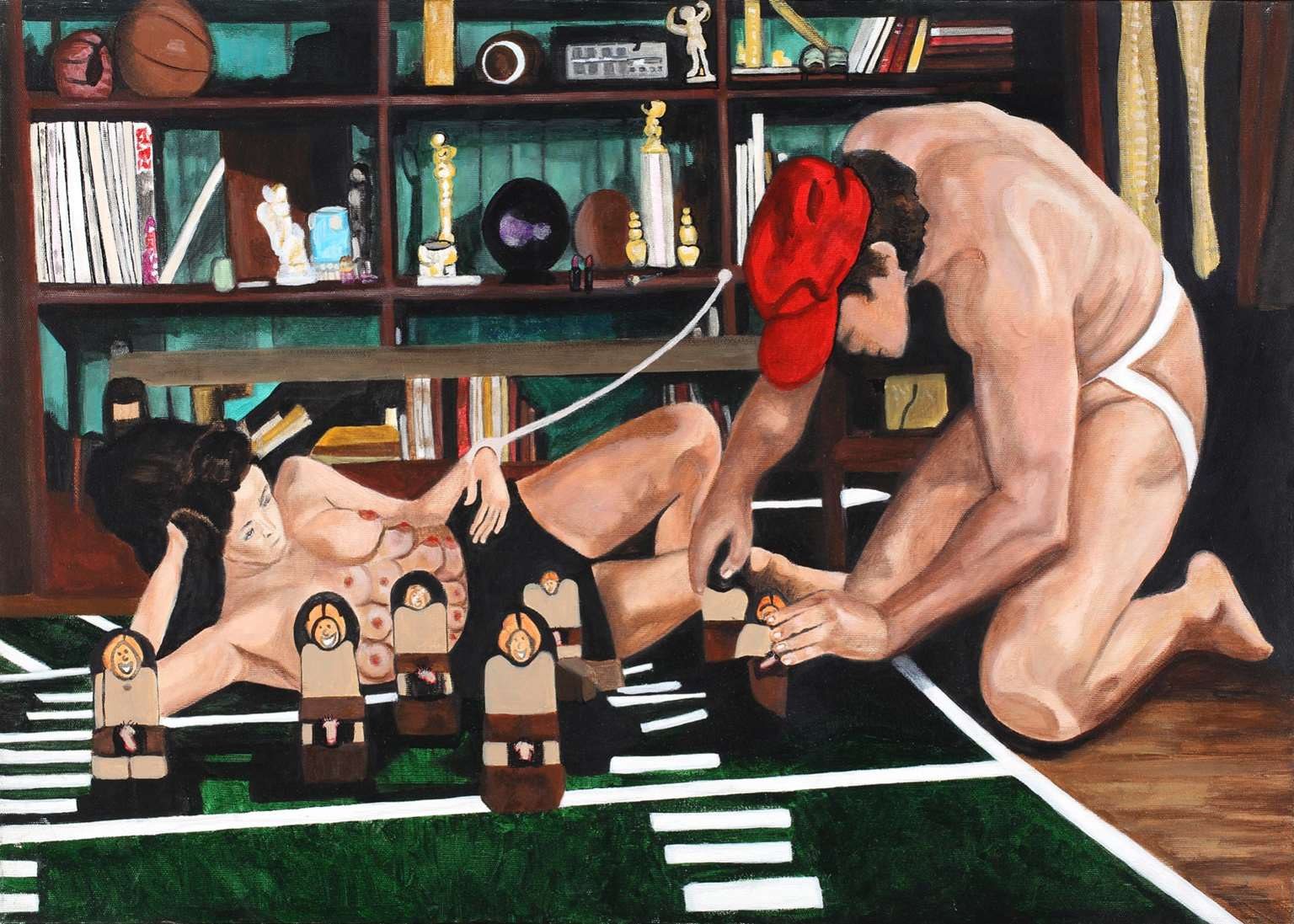 Unchained melody
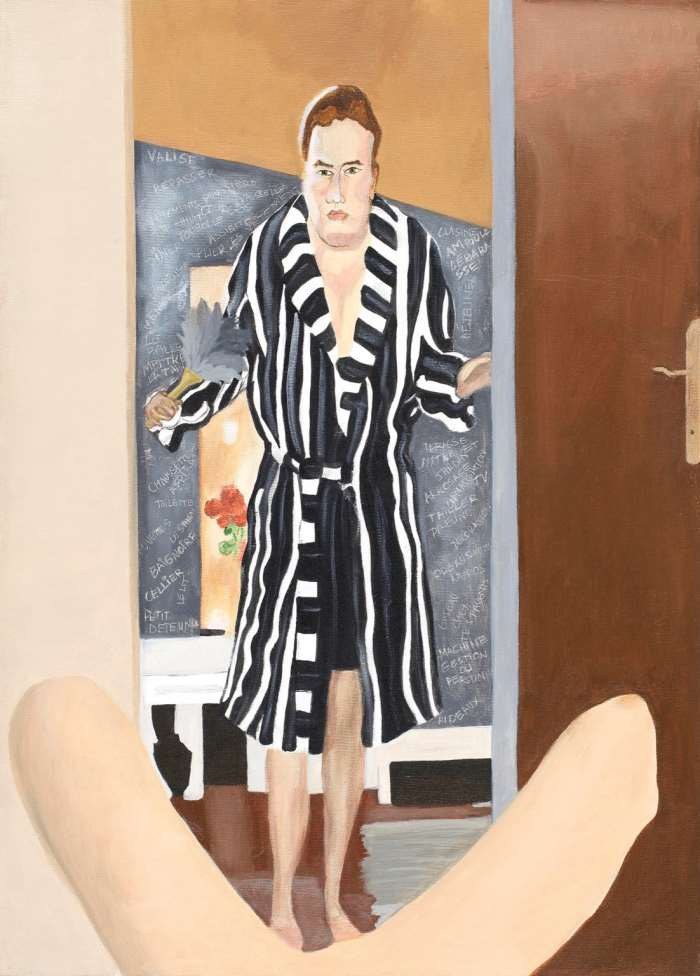 If I were a boy
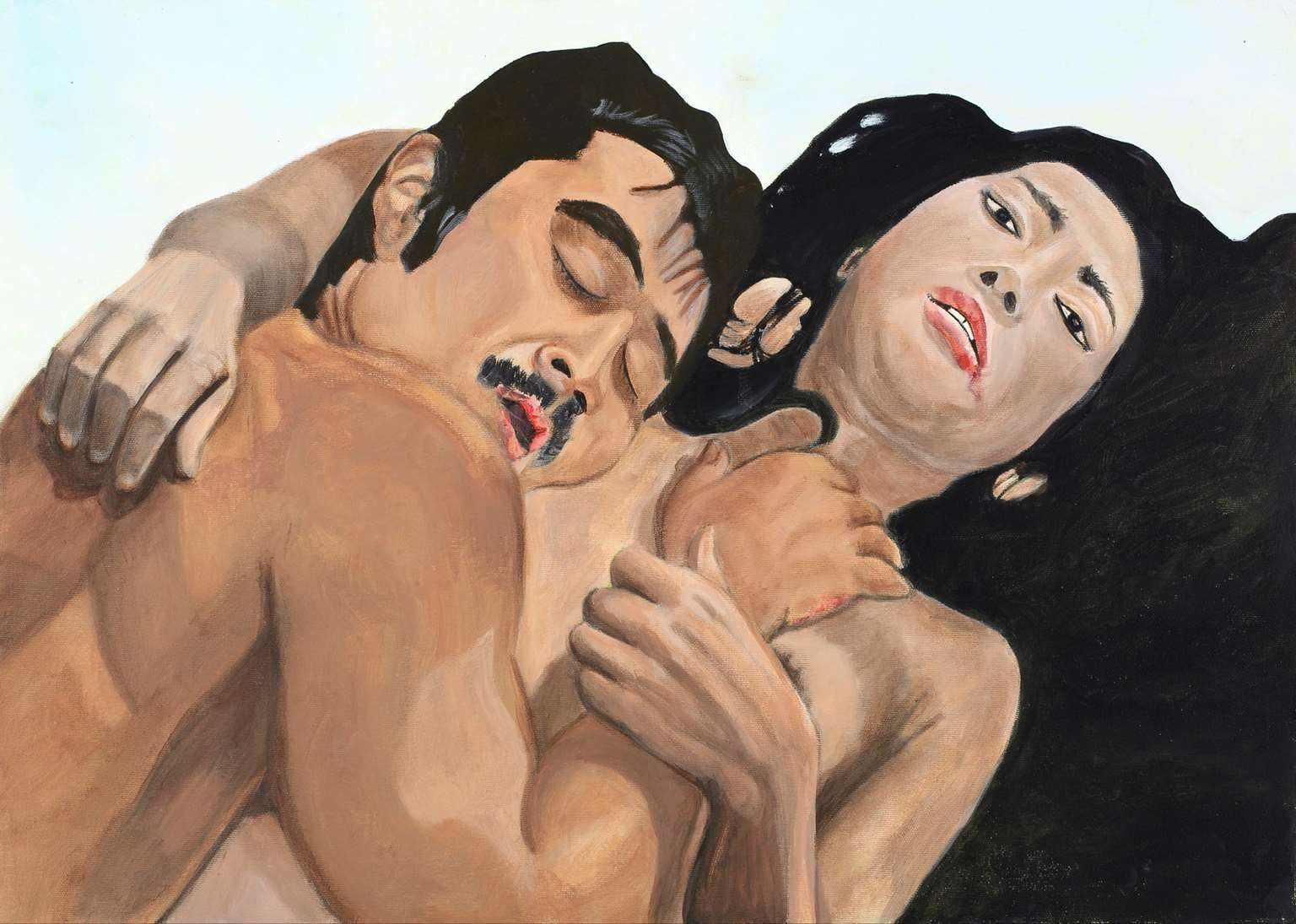 Fuck you anyways
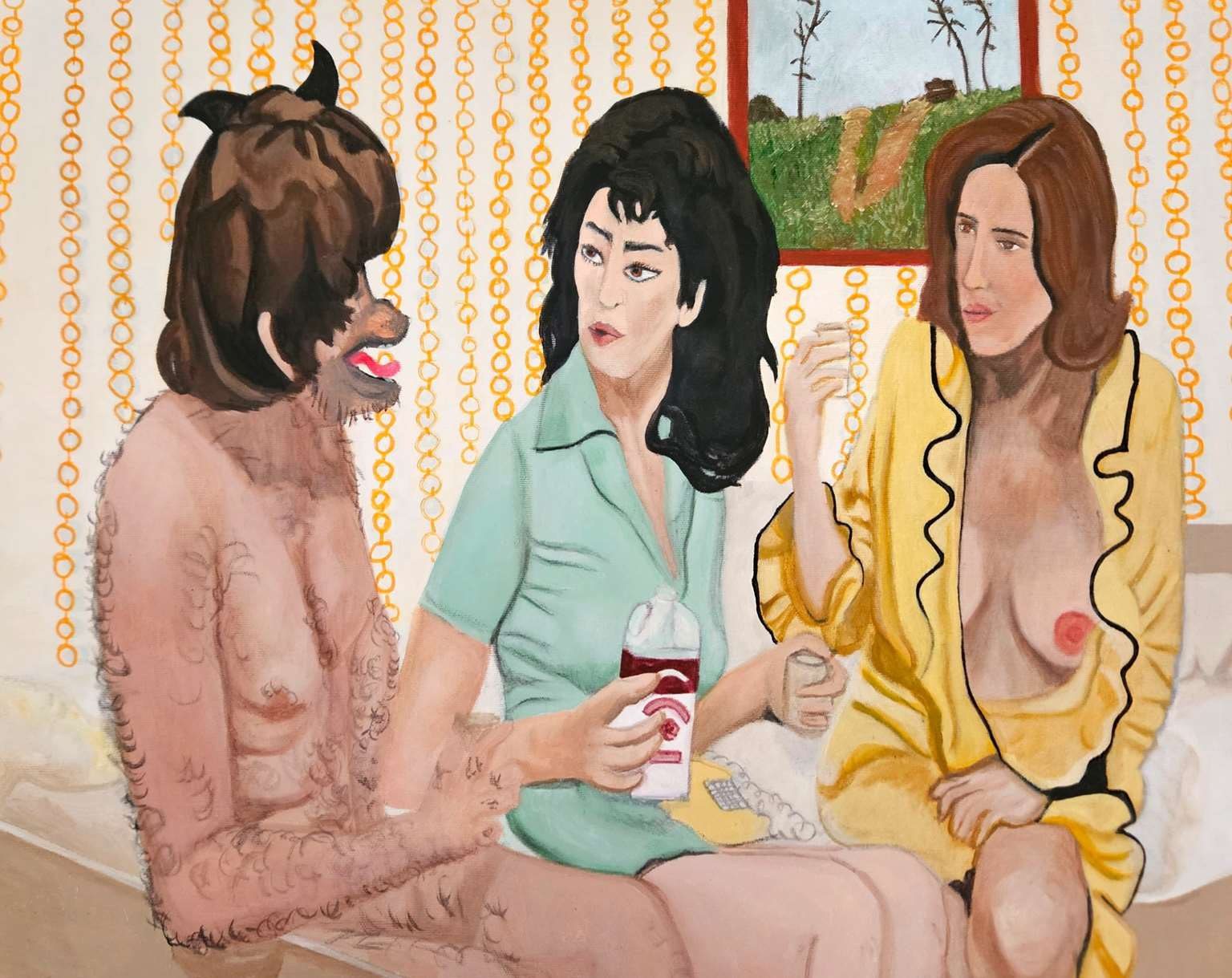 Girls just wanna have fun
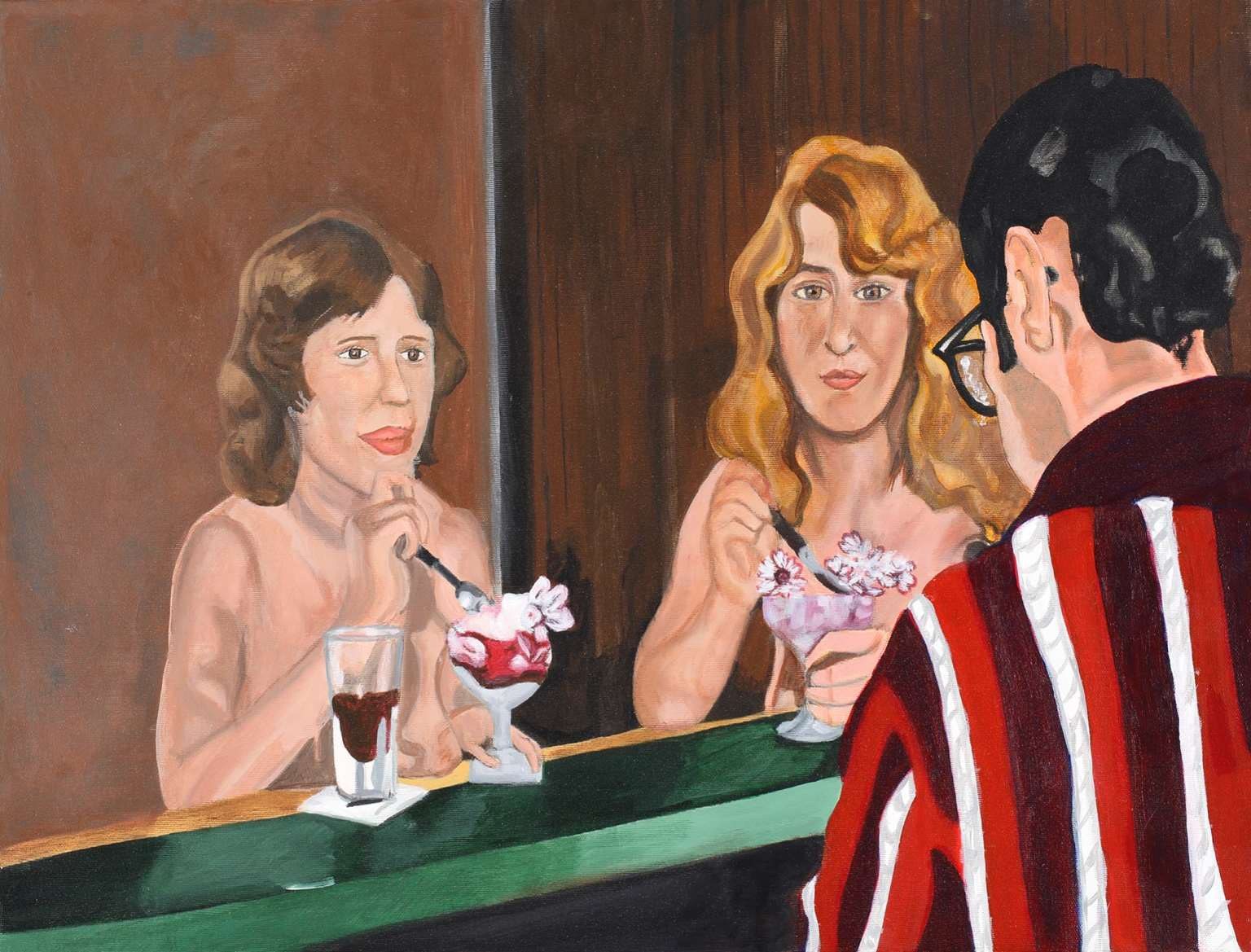 Ice facial
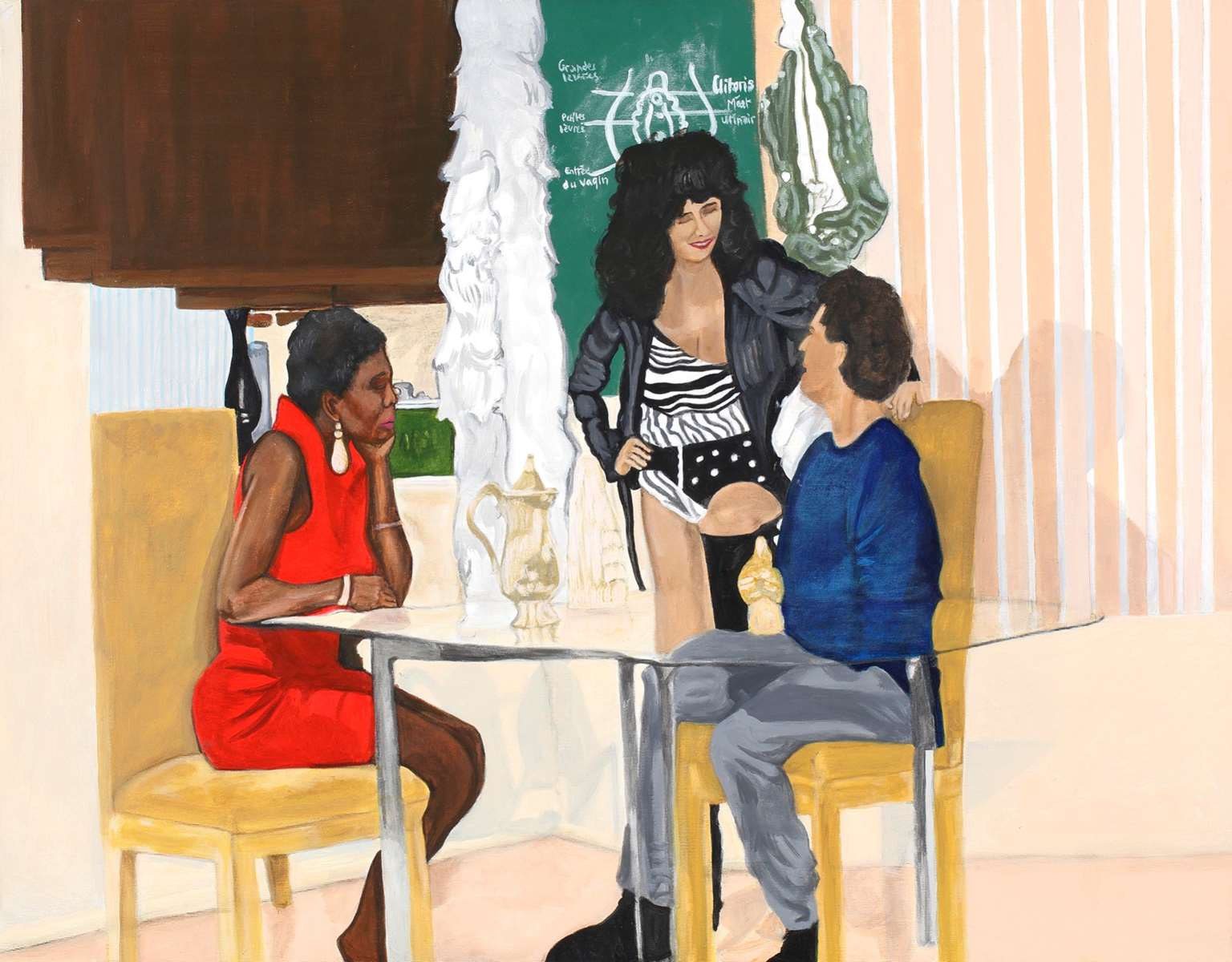 Vagina Teaching
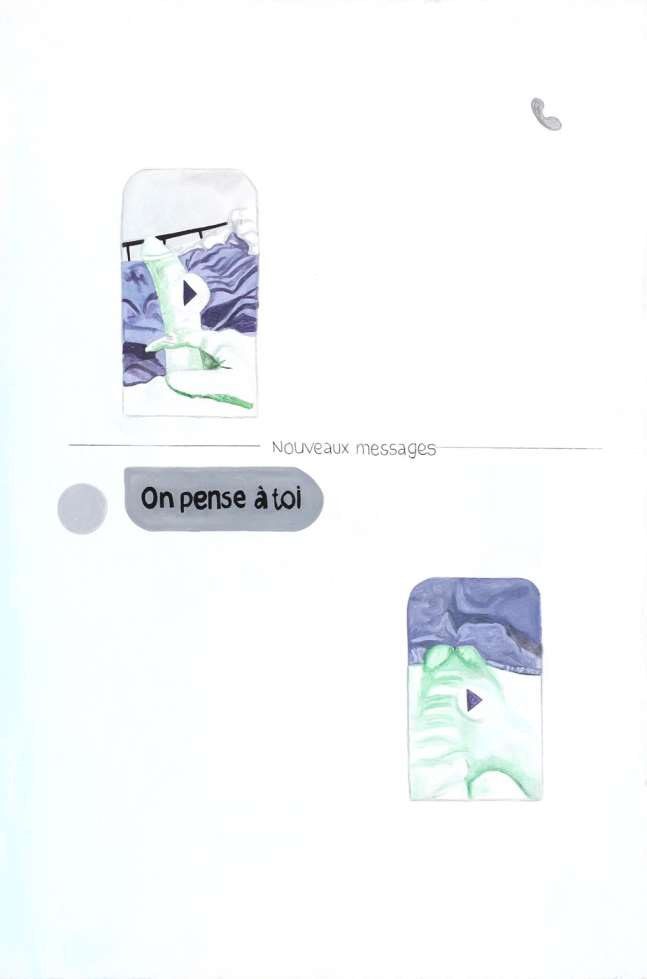 Sick Pick 1
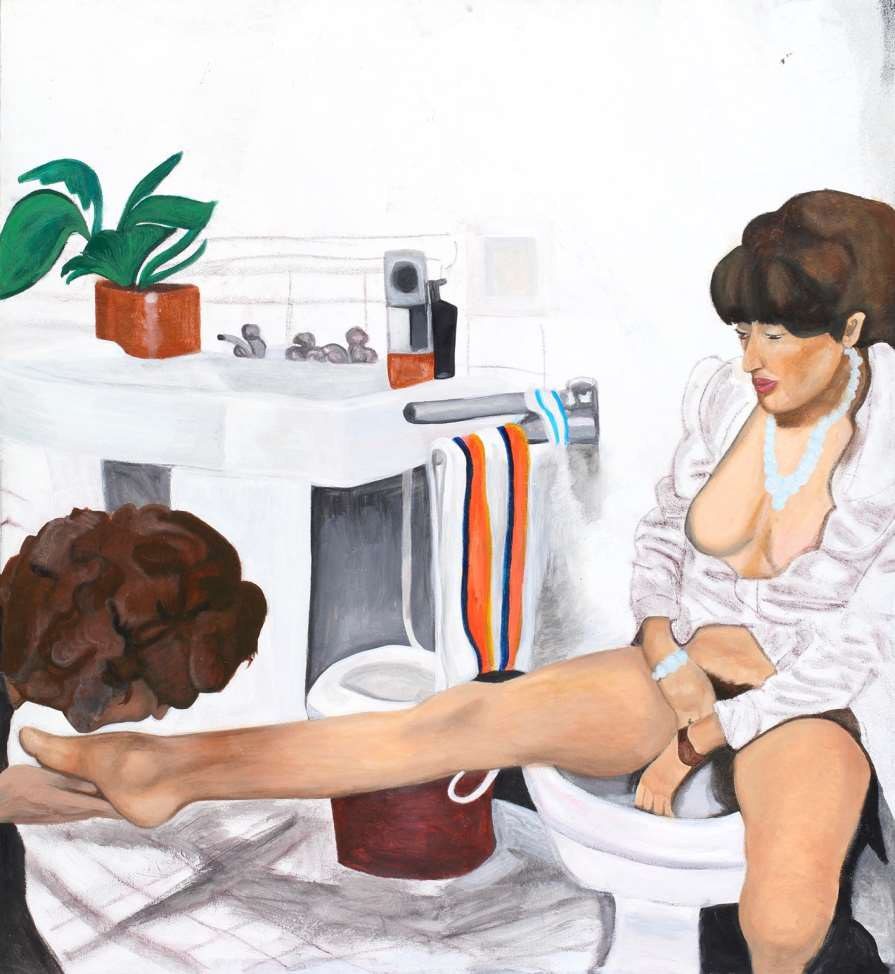 From head to toes
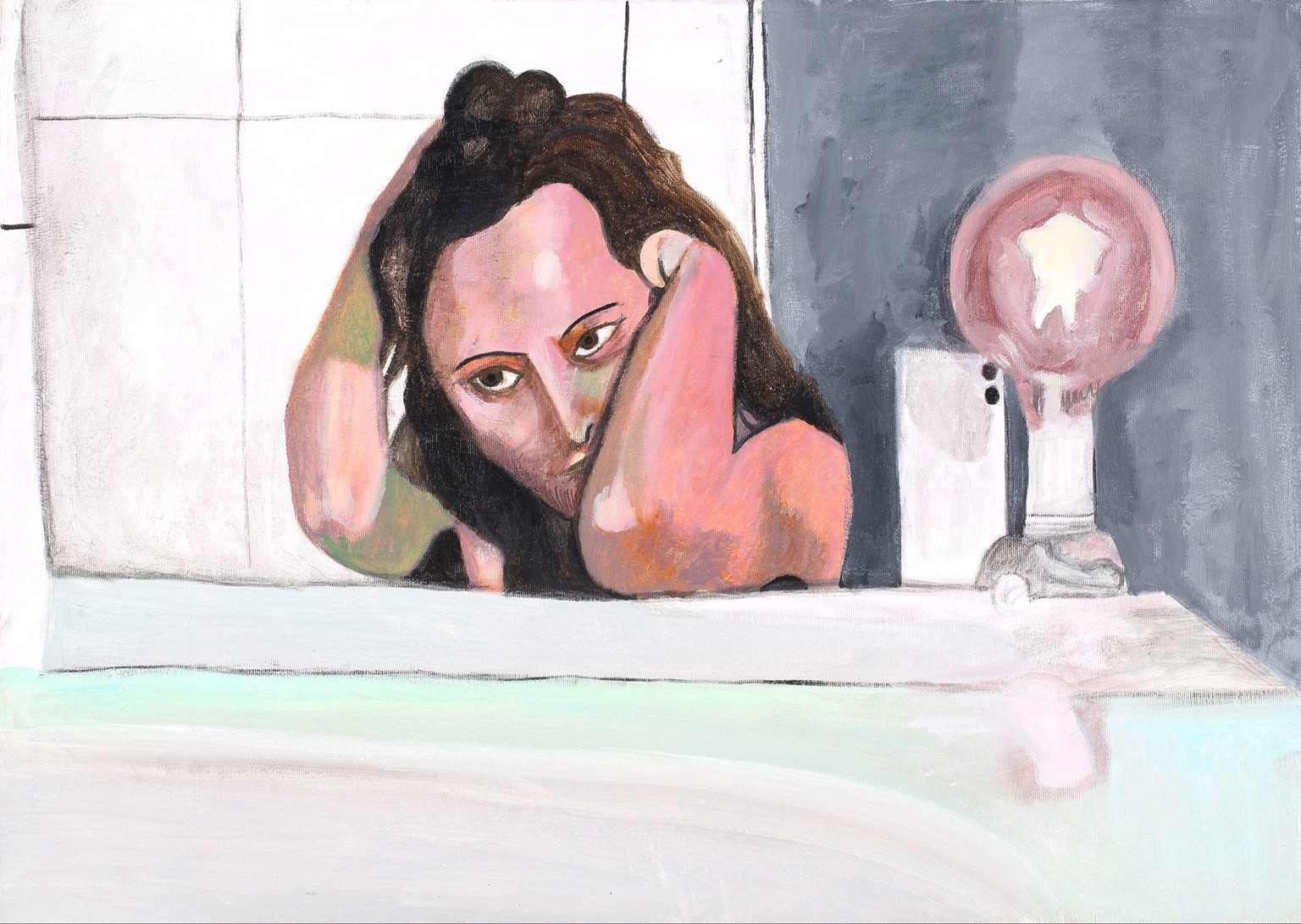 Sick Pick 2
The voices