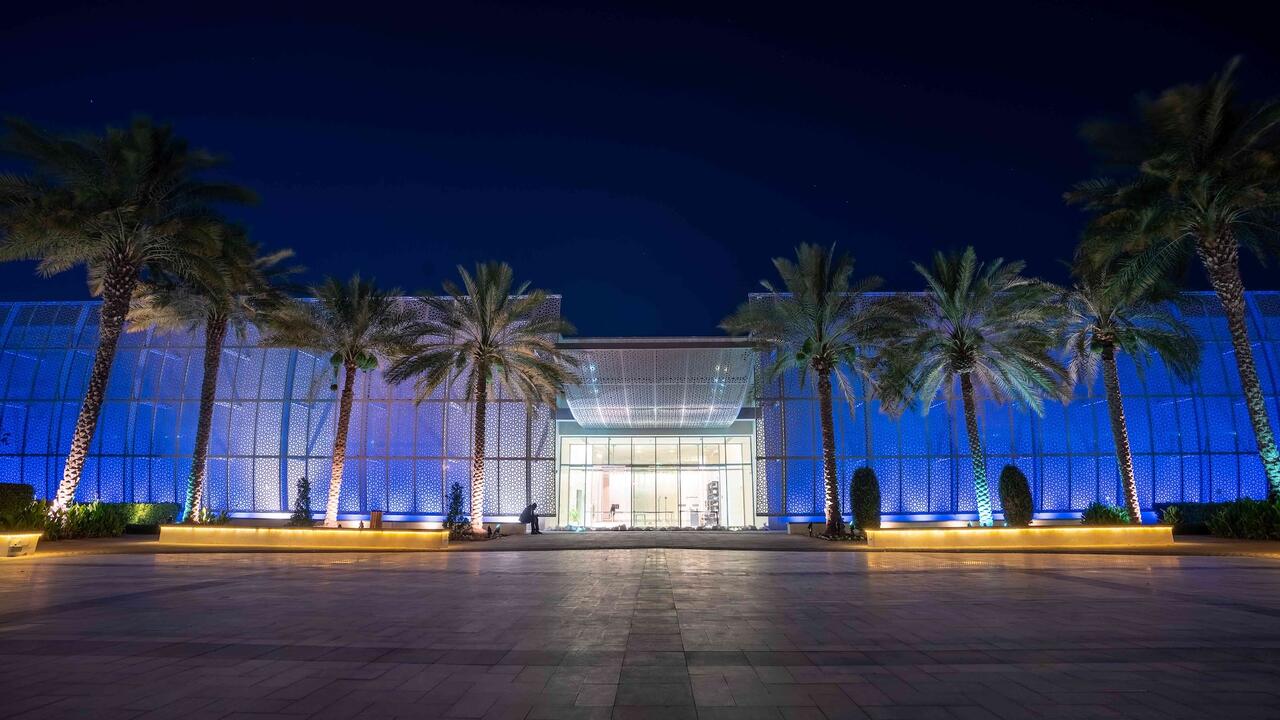
Art fair
Frieze Abu Dhabi 2026
Booth B16 | Manarat Al Saadiyat
Dates:
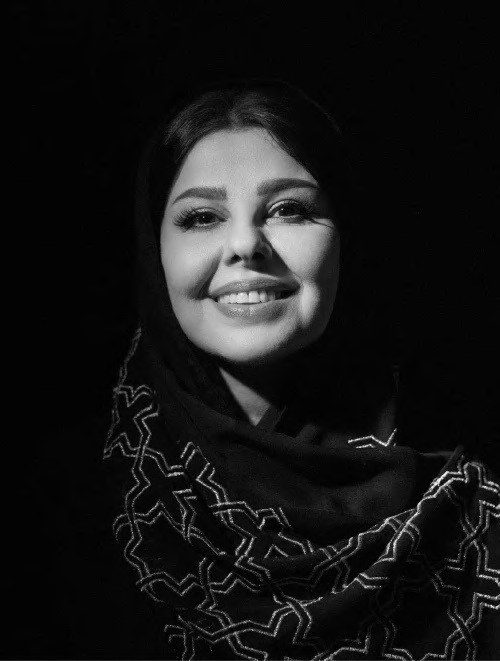
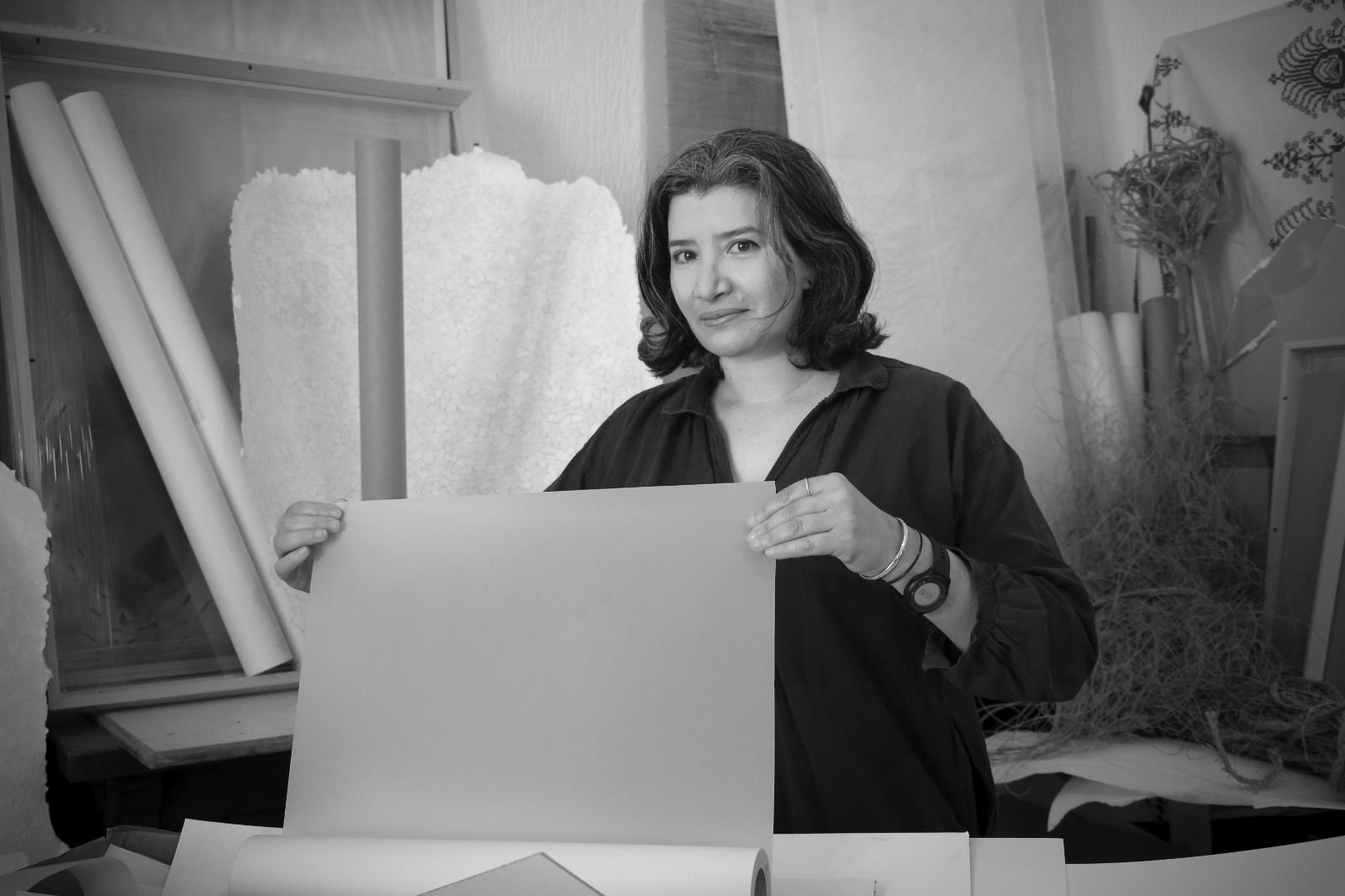
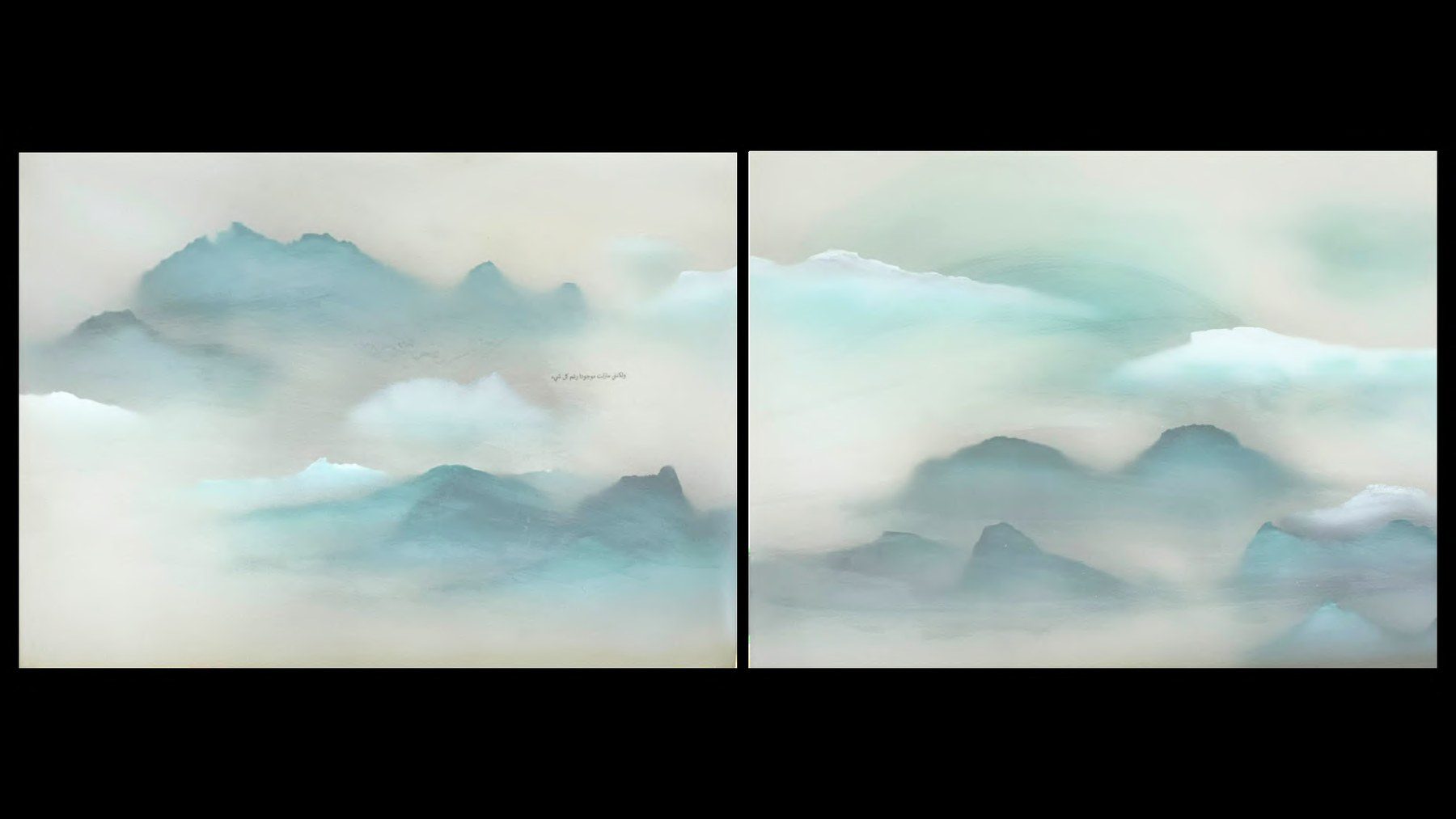
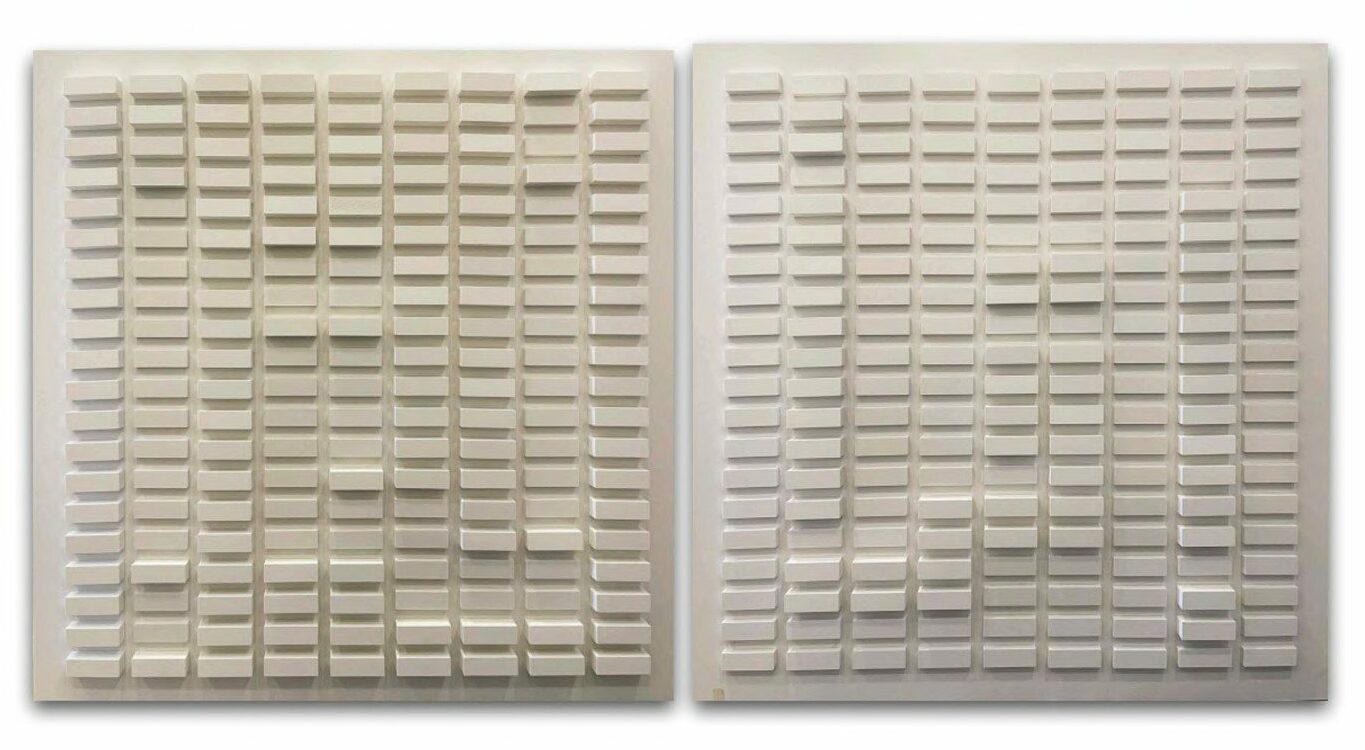
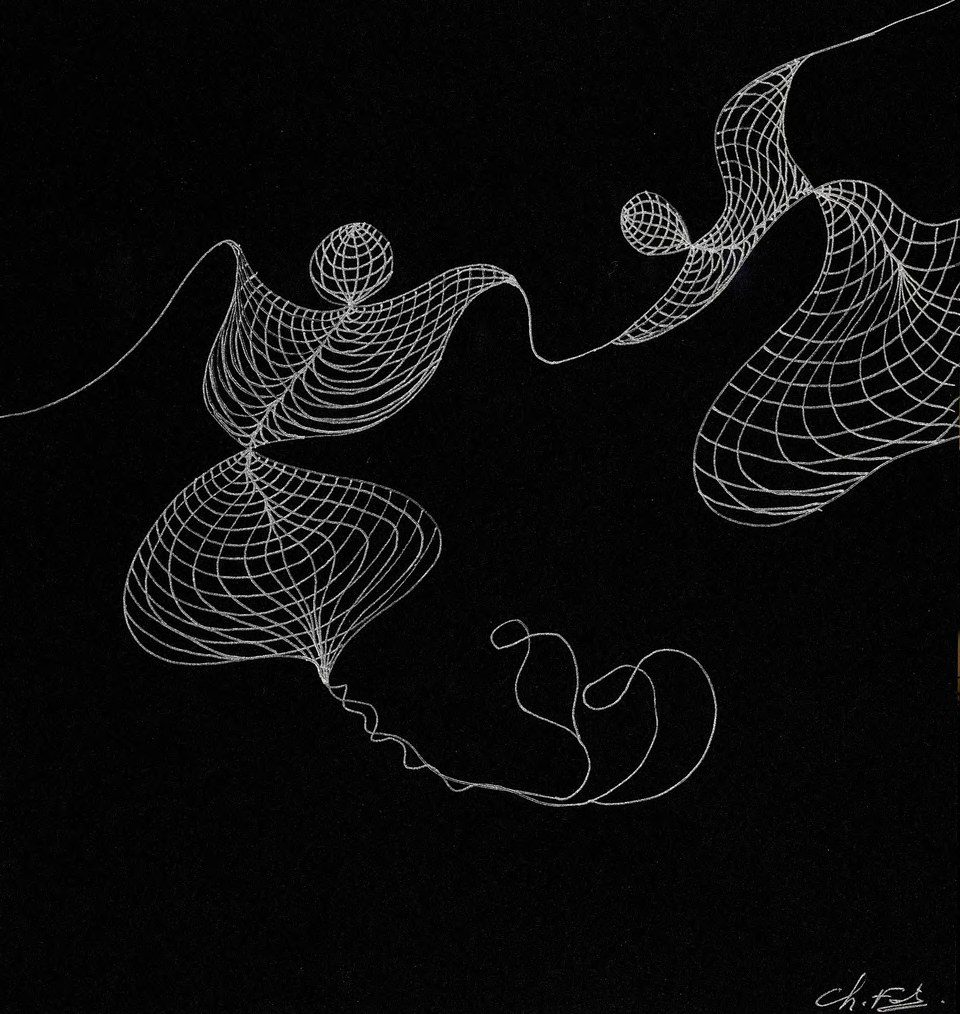
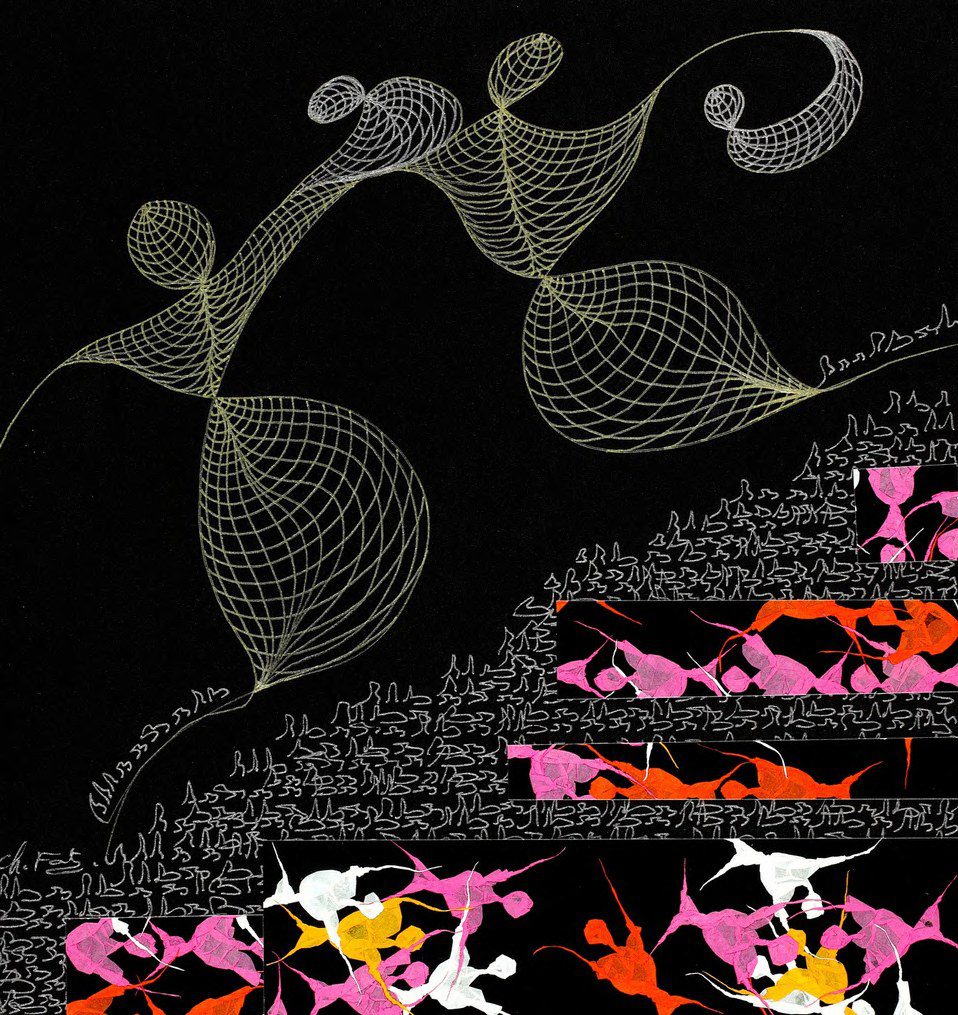
A.Gorgi Gallery will participate in the inaugural edition of Frieze Abu Dhabi in November 2026, presenting An Aesthetic of Fragility, a collaborative project with Blue Wind Project. The presentation brings together Najah Zarbout, Fatma Charfi, and Lulwah Al Hamoud, three women artists whose distinct practices explore materiality, form, and the delicate relationship between fragility and permanence. Through this dialogue, the project creates a space for reflection on artistic expression across different cultural and geographical contexts.
- City / Country
- Abu Dhabi · UAE
- Artists
- Fatma Charfi, Lulwah Al Homoud, Najah Zarbout
The text
Description
An Aesthetic of Fragility
Aïcha Gorgi is the first female gallerist in Tunisia to support and champion women
artists as early as the 1990s. Through her visionary commitment, she contributed
to the emergence of the Tunisian art scene through major curatorial projects,
notably within the framework of Talan. Her perspective allowed female artistic
voices to exist in a context where their visibility remained fragile.
The Blue Wind Project is conceived today by curator and art historian Khadija Hamdi,
who grew up within the gallery world, driven by both a family history and a curatorial
reflection designed as a space for the transmission and rewriting of the artistic
narrative. What unites this project today is precisely this sensitive lineage: that of
Fatma Charfi, discovered and supported during her lifetime by Aïcha Gorgi.
The Blue Wind Project thus fits into a work of reinterpreting history through another
lens -a vision that does not seek to alter the narrative, but to complete it, like music
for four hands where several voices respond to, extend, and pass on to one another.
Centered around Fatma Charfi, we propose a dialogue between two artists
represented by Aïcha: Najah Zarbout and Lulwah Al Homoud. These two women
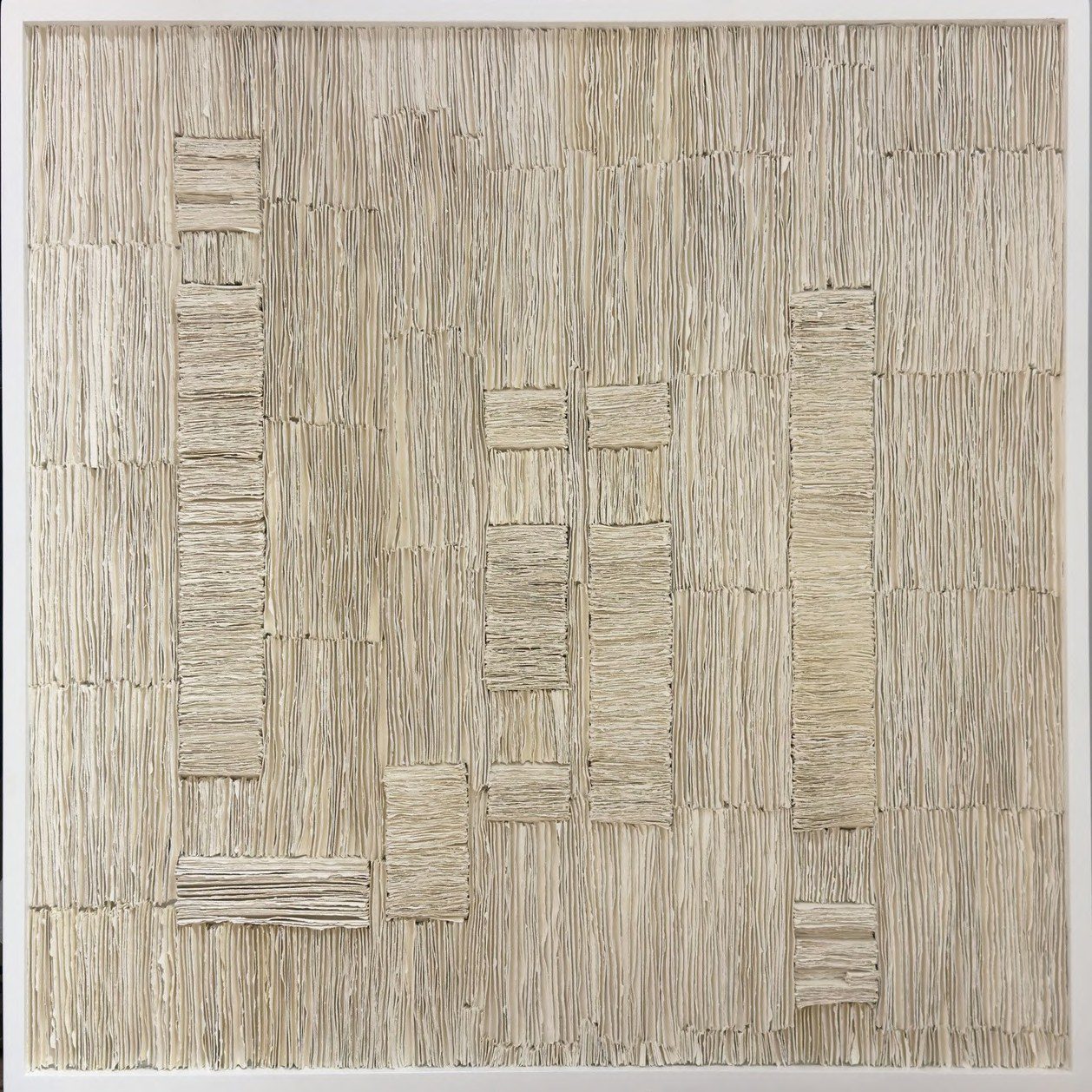
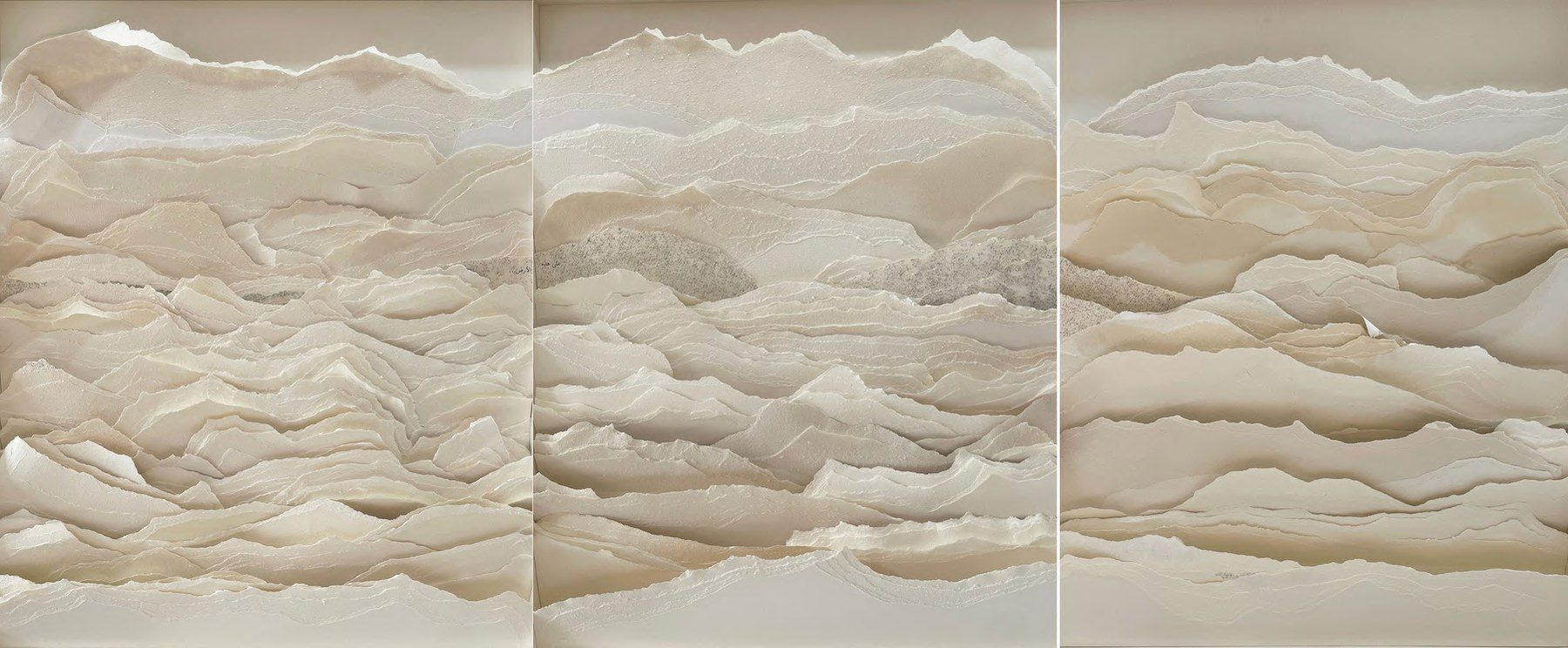
interrogate fragility and resilience through paper - its folds, its tears, its breaths, and
its metamorphoses.
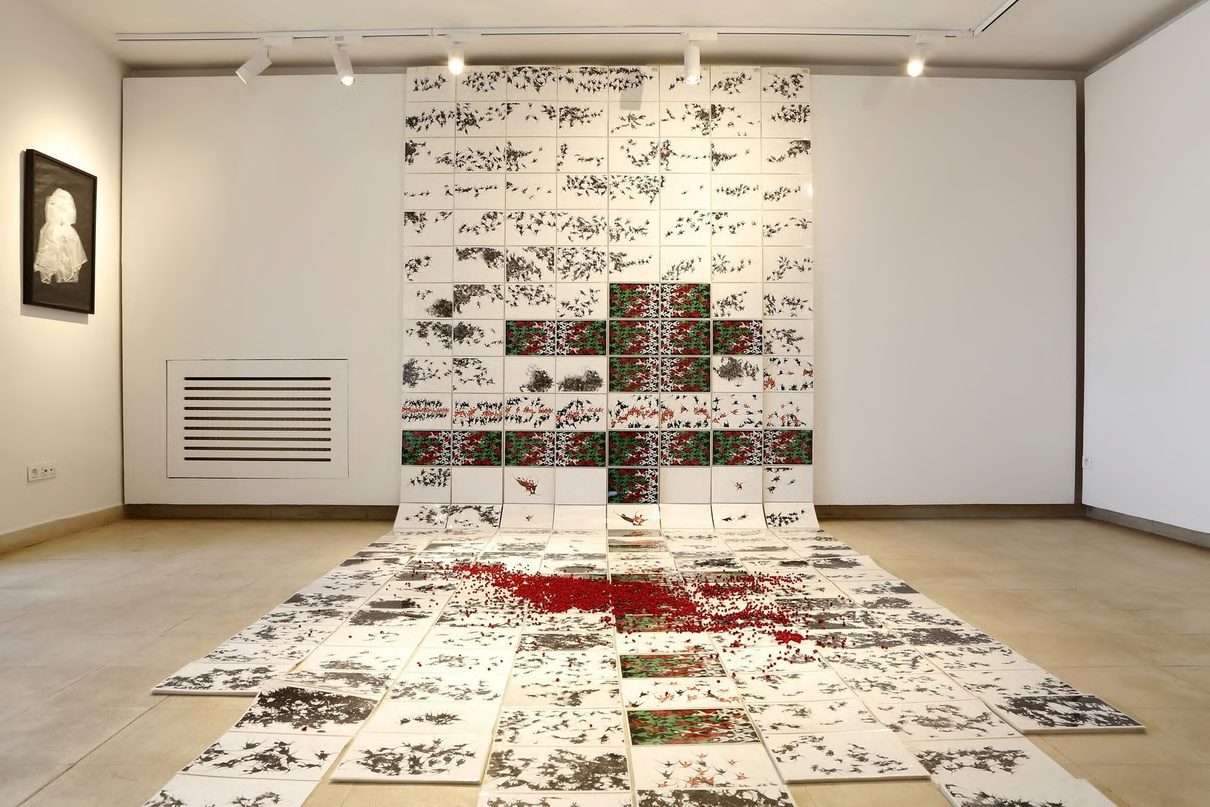
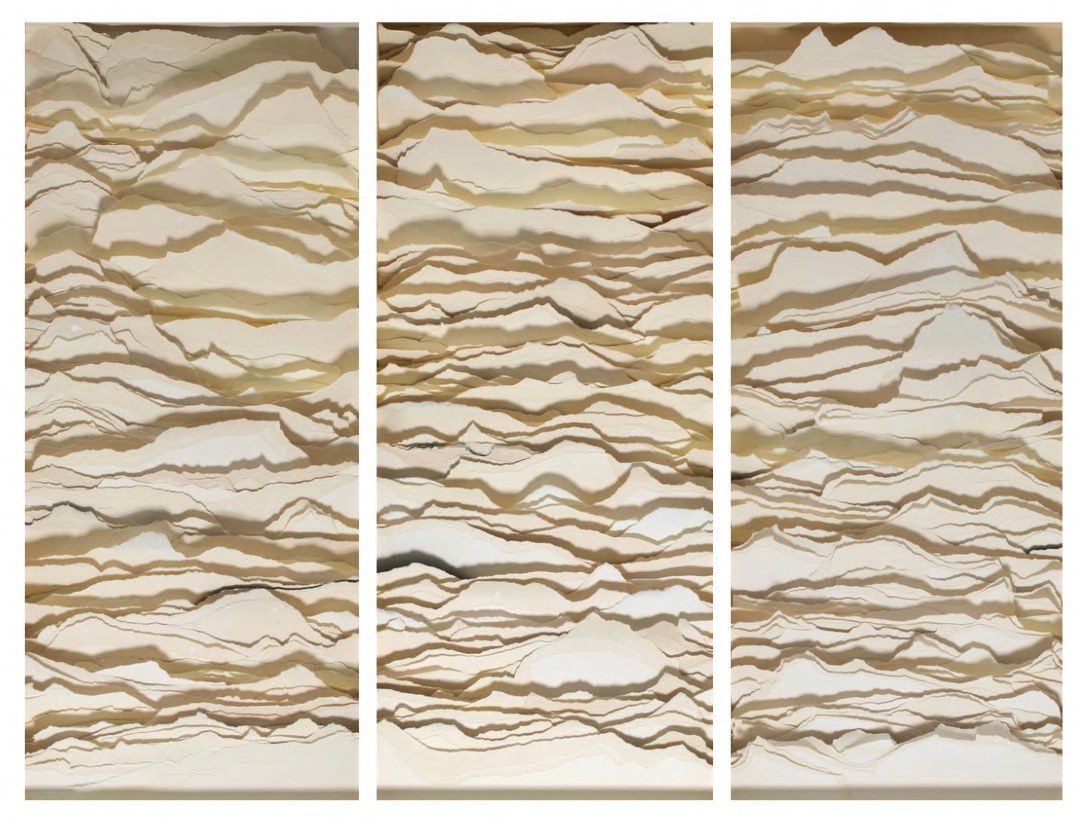
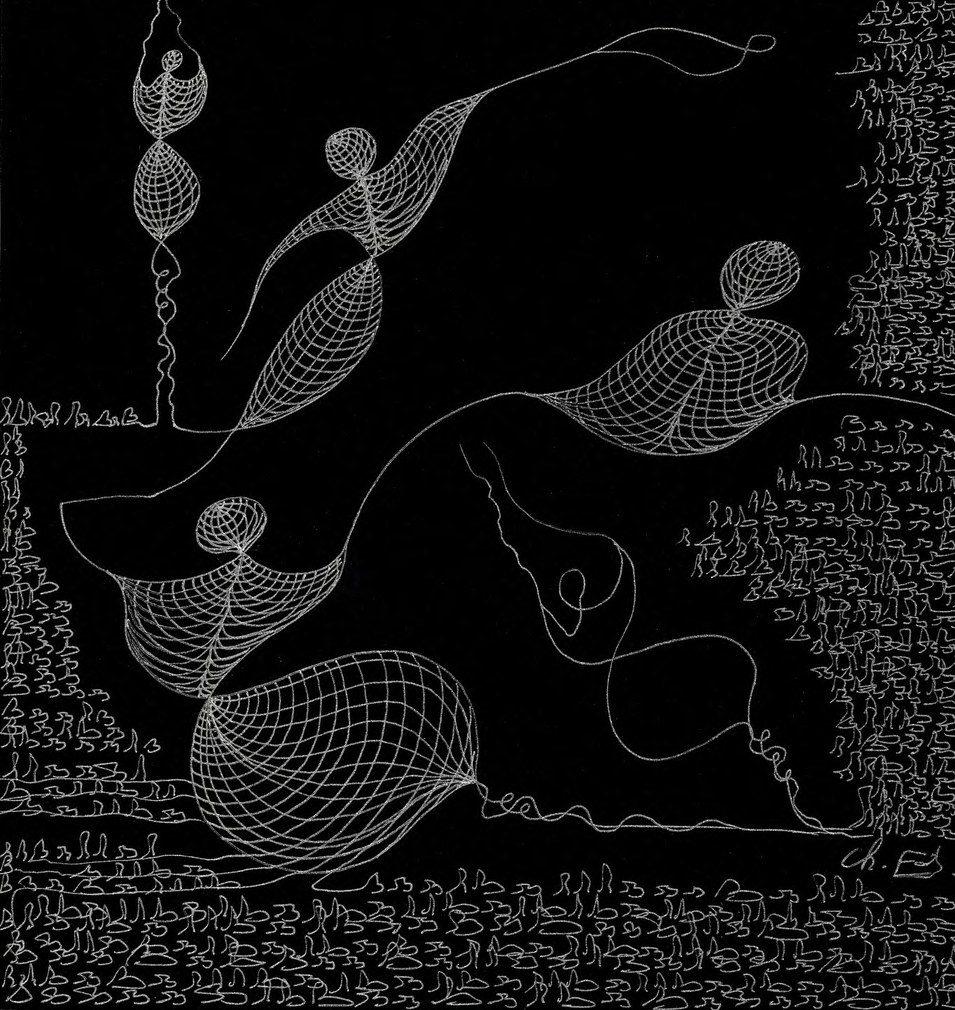
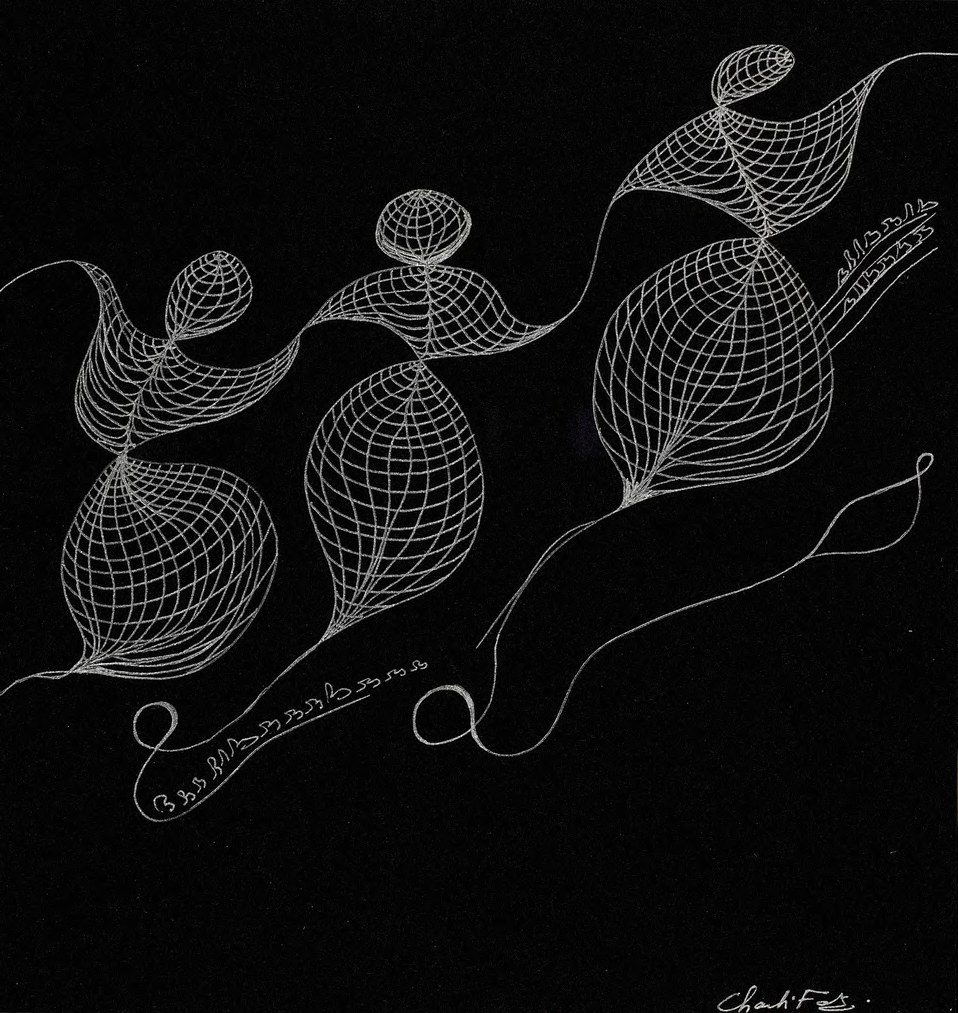
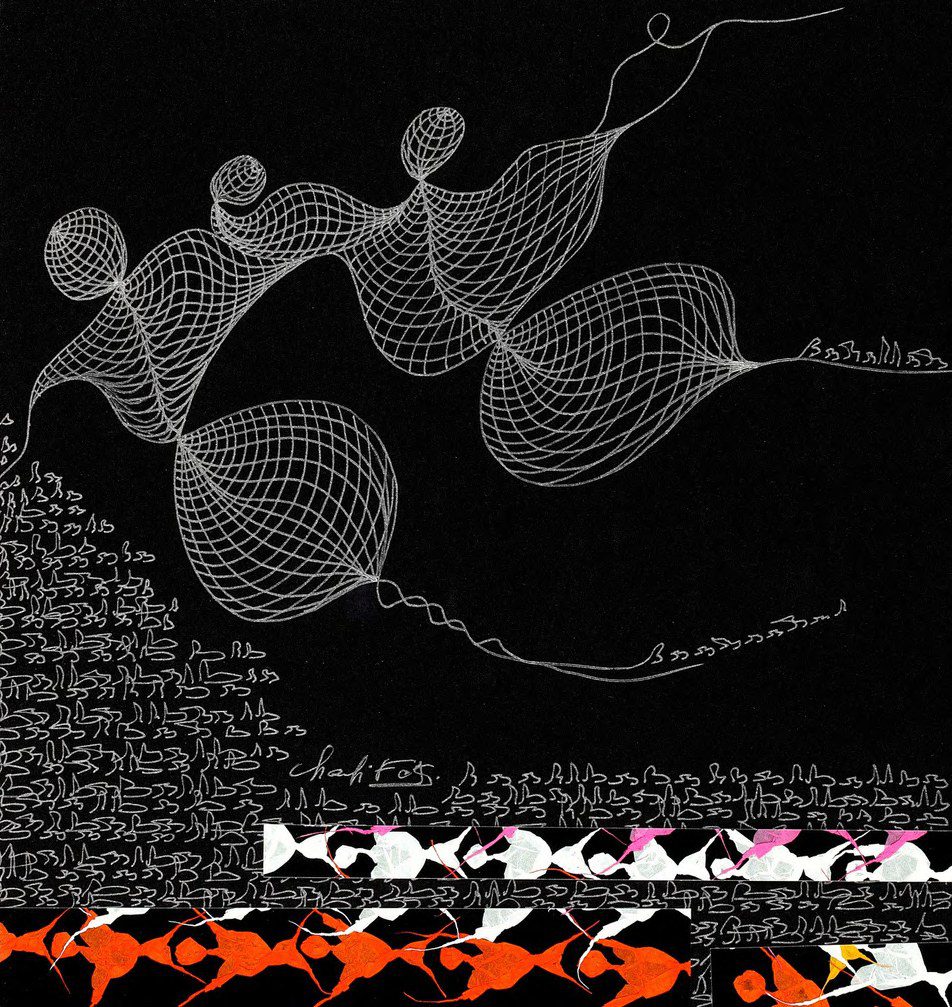
In the work of both Najah Zarbout and Fatma Charfi, the practice is built around a
constant tension between material fragility and the violence of reality. Paper
becomes simultaneously surface, matter, and metaphor. It is folded, cut, and
pierced; it preserves the trace of the gesture and the body. One senses a
performative, almost choreographic dimension, where movement remains
inscribed within the material itself.
The delicate material then becomes a territory of memory, disappearance, and
resistance.
The incisions, voids, and folds produce interplays of light and shadow that give the
impression the work is breathing, wavering, or disintegrating. For these artists, the
aesthetics of fragility is deeply linked to political and social concerns: migration,
absence, erasure, silence, and survival.
This relationship with paper evokes the words of the Palestinian poet Mahmoud
Darwish when he writes: "We suffer from an incurable disease: hope."
As with Darwish, fragility is never weakness; it becomes a form of poetic resistance
against the violence of history. The artists' work is also anchored in a Mediterranean and
Arab aesthetic where repetitive gesture sometimes reaches a form of meditative trance.
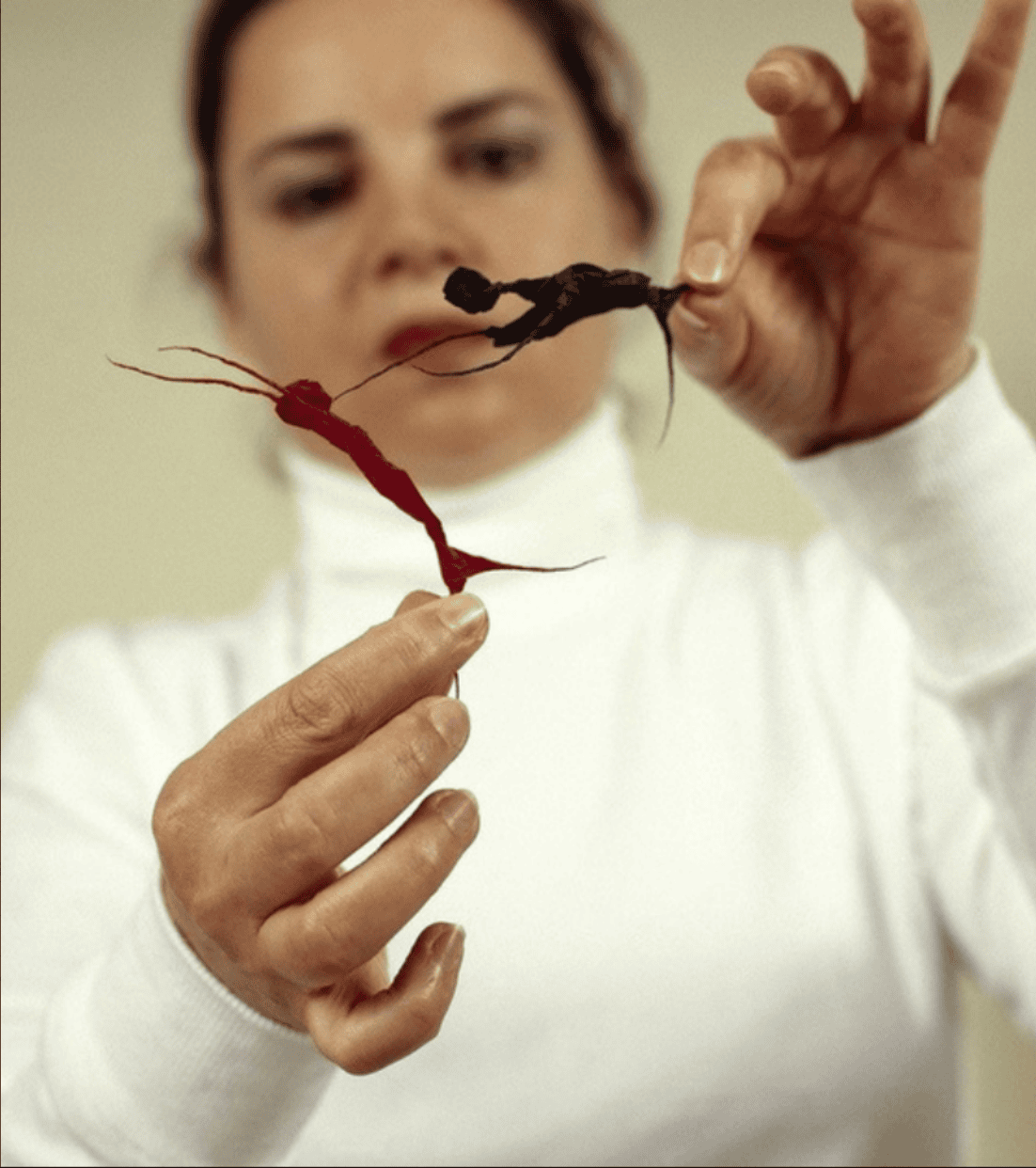
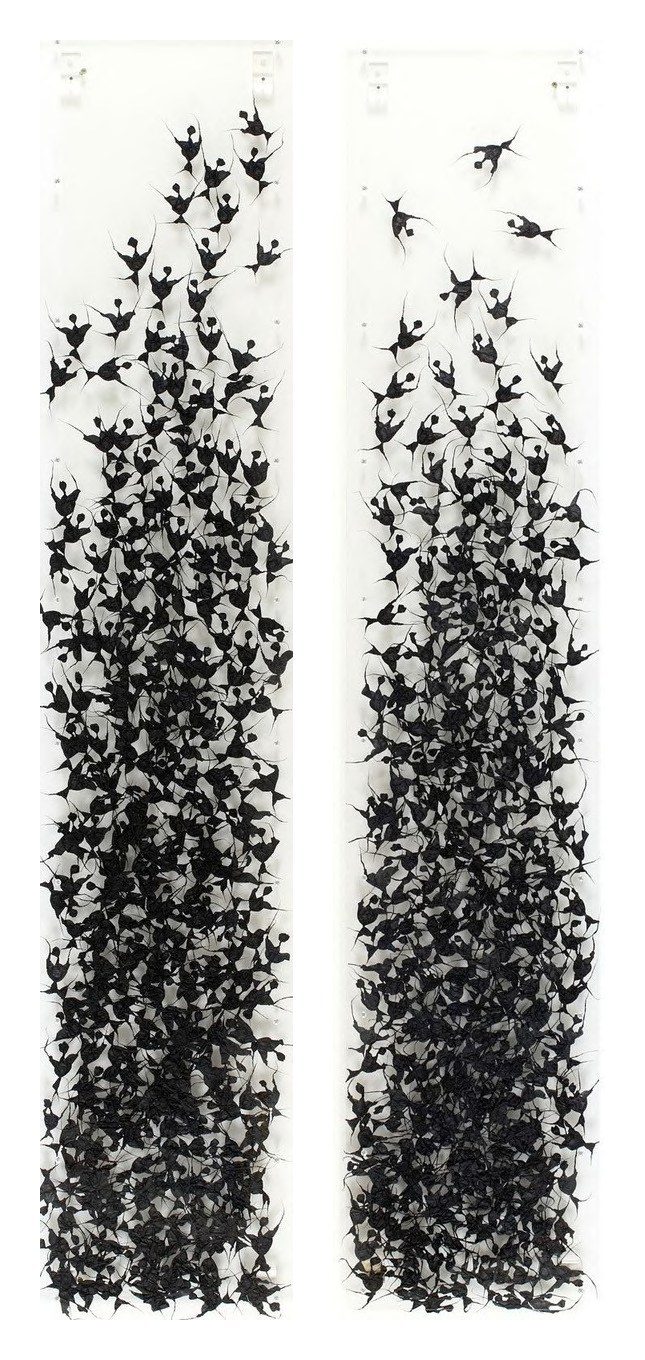
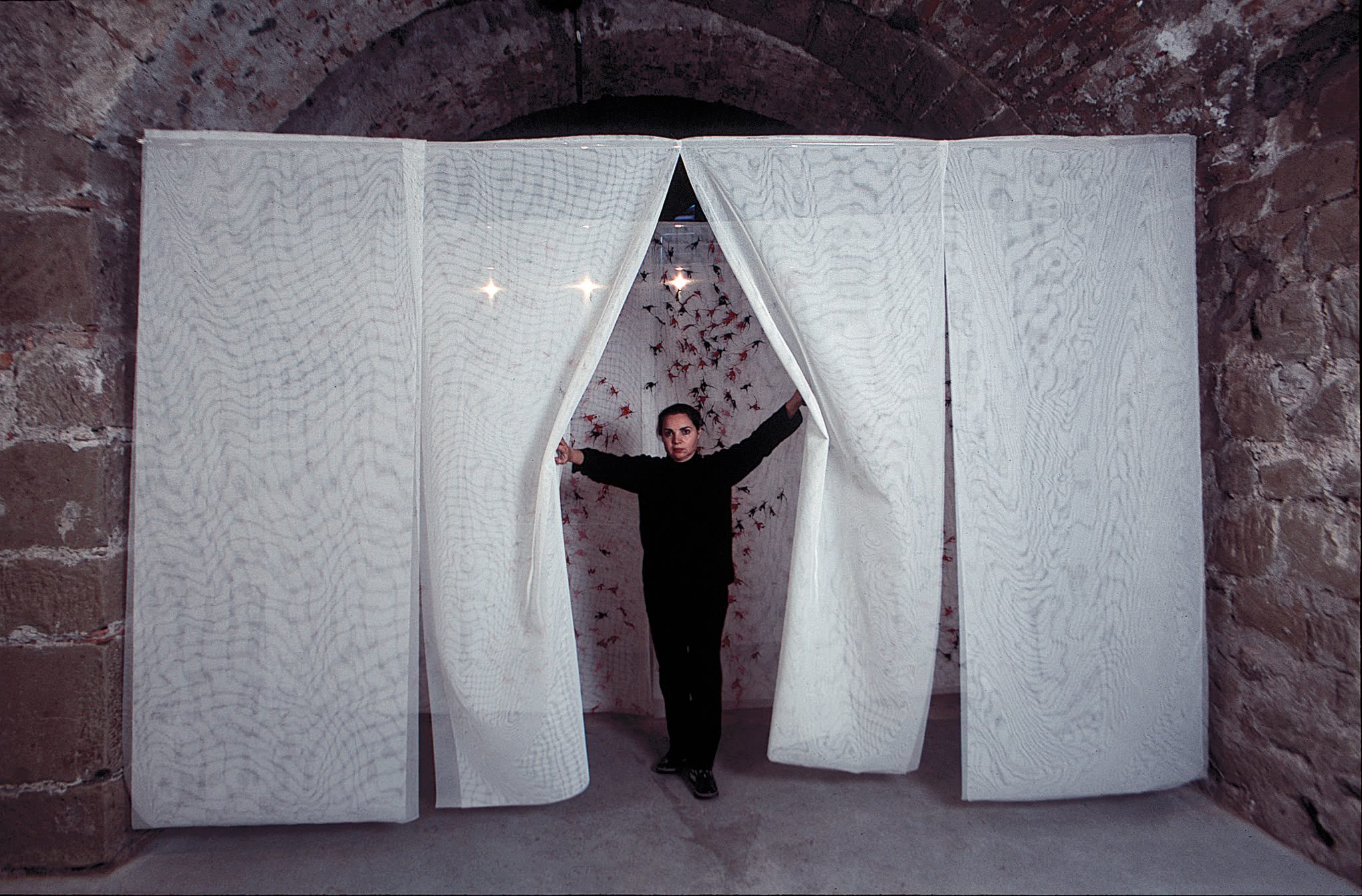
Paper becomes a living sculptural material: Fatma Charfi did not hesitate to perforate
her characters (abrouc), while Najah Zarbout creates imaginary figures that seem to
speak the silent language of paper.
This tension between visual softness and silent violence also recalls the writing of the
Syrian poet Adonis, for whom:
"Art is not a mirror of reality, but an open wound on its surface." In the works
presented, everything passes through silence: traces, absences, folds, and the
scars of the material. Paper becomes a sensitive skin of the contemporary world.
Writing plays a discreet but essential role here. It dialogues with the selected works as
an introduction to the project, particularly with Ikra by Lulwah Al Homoud. For it is not
simply a matter of reading a work, but of choosing to read the narrative of each artist -
a fragmented, intimate, and shifting narrative that invites another way of seeing, of
inhabiting memory, and of transmitting history.
The selection
Works presented
The voices